Car Insurance Non-Renewal vs Cancellation
A cancellation ends your policy early for cause, while a non-renewal just means your insurer won't continue it at the next term.
Both end your coverage, but they start from different places
A cancellation happens mid-term, while you're still inside the policy period you paid for. Insurers can only do this for specific reasons, usually tied to your state's rules, like nonpayment, fraud on the application, or a license suspension. Because it cuts off coverage you already paid for, most states require more notice and a clearer reason than a non-renewal does.
A non-renewal is different. It happens at the natural end of your term, when the insurer simply chooses not to offer you another one. They don't need the same narrow justification a cancellation requires. If you've been delivering food or packages in the car without telling them, and a claim or a records check reveals it, this is often the point where they act. They don't have to prove wrongdoing, they just have to decide the risk no longer fits what they're willing to insure.
For someone delivering on the side, non-renewal is the far more common outcome. Insurers don't always cancel mid-term over undisclosed delivery driving, especially if nothing's gone wrong yet. But when the term ends, that's their natural chance to reassess, and undisclosed commercial use is exactly the kind of thing that shows up in that review.
What counts as adequate notice, which reasons justify a true cancellation, and whether you're entitled to an explanation in writing all vary by state. Check your state's insurance department site or your policy's declarations page for the specific notice period and reasons that apply to you.
A policy that wasn't renewed after a delivery claim
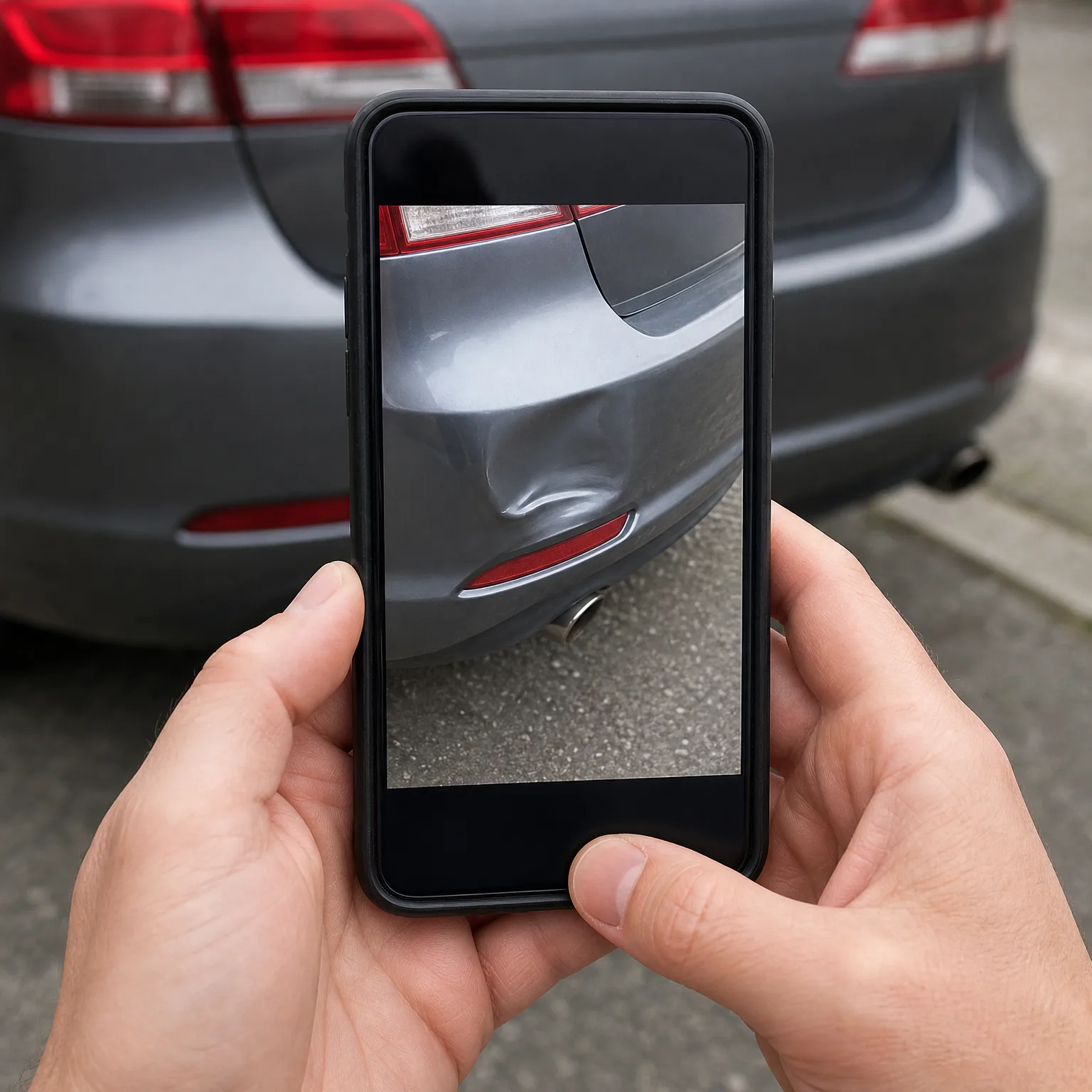
Someone driving for a food delivery app in their own car got into a minor accident while logged into the app, waiting for an order. They filed the claim normally, and it was paid, but the claims adjuster noted the delivery app was running at the time. Nothing happened immediately. The policy continued to the end of its term.
At renewal, the insurer sent a non-renewal notice instead of a new policy. It wasn't framed as punishment, it was framed as the insurer no longer offering coverage for that specific risk pattern. The driver then had to find a new policy that either allowed delivery use or added the right endorsement for it, and disclosed the earlier claim honestly on the new application. The lesson they took wasn't about hiding the driving better. It was about asking upfront whether their everyday policy allows for delivery work, so a term ending doesn't become a surprise.
Does a non-renewal for undisclosed delivery driving count against me later?
It can, but not the way a cancellation for fraud would. A non-renewal on its own usually isn't treated as seriously as a cancellation for misrepresentation or nonpayment. Still, when you apply for a new policy, insurers will ask whether you've been non-renewed or cancelled before, and you need to answer honestly.
What matters most to the next insurer is why it happened. If it was simply that your old insurer doesn't cover delivery use, that's a fairly ordinary thing to explain, and plenty of insurers do cover it. If the record shows a cancellation for misrepresentation on the application, that's harder to explain away. Being upfront about the delivery driving from the start, this time, is what prevents the pattern from repeating with the new insurer too.
Once you know which notice you're facing, compare quotes from insurers who'll cover your delivery driving directly.

Telling your insurer about delivery driving before they find out
If you do
You disclose the delivery work now, get the right endorsement or policy, and pay what it actually costs to insure the risk. Your insurer has no surprise to react to later. If a claim happens during a delivery, it gets paid under terms you already agreed to, and your policy keeps renewing like any other.
If you don't
You keep your current premium for now, but a claim or records check can reveal the delivery driving anytime. The likely result is non-renewal at term's end, not a dramatic mid-term cancellation. You then need new coverage while explaining the gap, often under worse terms than if you'd disclosed early.
What to check if you've gotten a notice
- Read the notice type The letter should say directly whether it's a cancellation or a non-renewal. The wording and timing tell you which rules and notice periods applied to your situation.
- Check the stated reason Insurers generally must give a reason for cancellation, less often for non-renewal. Knowing the reason tells you exactly what to fix or disclose with your next insurer.
- Confirm your notice period States set minimum notice windows for both cancellation and non-renewal, and they differ. Check your state's rules so you know how much time you actually have to find new coverage.
- Disclose driving upfront When you apply for a new policy, say clearly that you deliver in the car. This is what prevents the new policy from ending the same way the last one did.
- Ask about delivery coverage Some insurers offer an endorsement or policy built for delivery use instead of refusing it outright. Ask directly, rather than assuming every insurer will decline you.
A non-renewal over undisclosed delivery driving is a correction you can see coming, not a fight to win.