Delivering With a Family Car
The car's owner has to tell the insurer about the delivery use, even if you're the one driving and paying for gas.

What delivering in a family car actually requires
- Tell the insurer, not just drive It's the named owner's policy, so they're the one who has to report the delivery use, not you. If they don't, the whole policy can be at risk, not just your claims.
- Check who's listed as a driver If you're not already listed on the policy as a driver, any claim can be questioned regardless of why you were driving. Add yourself as a listed driver before you start delivering.
- Ask about a delivery endorsement Personal auto policies are built around personal use, and many exclude delivery work by name. An endorsement or rider can close that gap, and it's usually cheaper than losing coverage.
- Know the app's coverage window Some apps or employers carry coverage during active deliveries, but it often starts late and ends early in the trip. Ask exactly when their coverage begins and ends, and don't assume it fills every gap.
- Ask about non-owner coverage too If you don't own the car, your own policy options look different, since you're insuring your driving, not the vehicle. Ask what happens if you're at fault while driving a car that isn't yours.
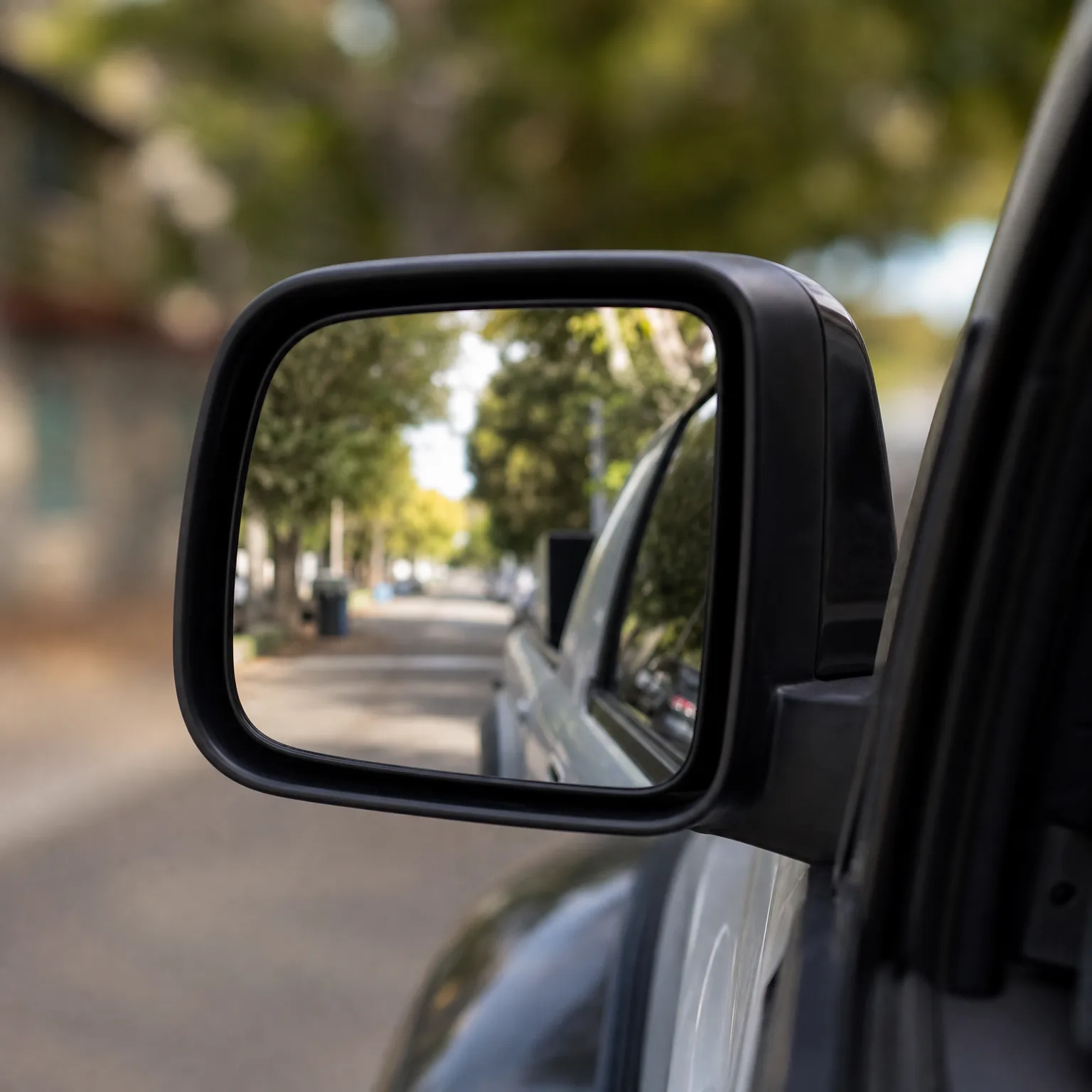
A son delivering groceries in his mom's car
A college student started delivering groceries using his mother's car on weekends. He was listed as an occasional driver on her policy, but neither of them had mentioned the delivery work, since he figured his mom's insurance covered him no matter what he was doing behind the wheel.
After a minor accident during a delivery, the insurer asked why he was driving and what app he'd been using. Because the delivery use hadn't been disclosed, the claim got delayed while the insurer reviewed the policy terms. His mother called the insurer, added a delivery endorsement, and the claim was eventually processed, but it took weeks longer than a normal claim would have. They now tell the insurer every time his delivery schedule changes, and the policy reflects it up front instead of after something goes wrong.

Once you know what your family car's policy needs to cover delivery work, compare quotes that actually include it.
Does the app's insurance cover me if the family car isn't insured for this?
Not fully, and not on its own. Delivery apps typically provide coverage only during specific parts of a delivery, often starting once you accept an order and ending once it's dropped off. Outside that window, including the drive to get online or back home afterward, you're relying entirely on the car's personal policy.
If that policy doesn't acknowledge delivery use at all, you can end up with a gap between where the app's coverage stops and where the personal policy is willing to pay. The fix isn't choosing one or the other. It's making sure the personal policy has an endorsement or acknowledgment of delivery use, so the two coverages overlap instead of leaving a space in between where neither one responds.
Why the car's use matters more than who owns it
Insurance is priced and written around how a car gets used, not just who's listed on the title or who's driving. A personal auto policy assumes the car is used for commuting, errands, and everyday driving, and the price reflects that level of risk. Delivery work changes the pattern entirely, with more miles, more stops, and more time on the road during hours that matter for risk, like evenings and weekends.
When an insurer finds out a car was being used for delivery without having agreed to that use, they're not just being strict for the sake of it. They priced the policy for a different kind of driving, so a claim during delivery work falls outside what they agreed to cover. That's why disclosure matters so much, because it's not about whether you're a good driver, it's about whether the insurer knew what kind of driving they were insuring.
This plays out differently depending on who owns the car. If it's a parent's or family member's policy, they're the one who has to make the disclosure and often the one who pays for any endorsement, even though you're the one earning the delivery income. That can create an awkward conversation, but it's a necessary one, since the policyholder is the one whose coverage is actually on the line.
How strictly this gets enforced, and what kind of endorsement is available, varies by state and by insurer. Some states require insurers to offer a delivery or business-use option, and some insurers simply won't cover certain delivery work at all under a personal policy. Ask directly what the car's insurer allows before you treat the family car as a delivery vehicle.
Will my mom's insurance rates go up if I deliver in her car?
It's possible, since adding a delivery endorsement or listing you as a frequent driver can change the premium. The amount depends on how often you deliver, your driving record, and the insurer's own rules. Ask for a quote with the endorsement included before committing, so there are no surprises on the next bill.
Can I get kicked off my parents' policy for delivering without telling them?
The insurer can't remove you personally, but they can deny claims or even cancel the whole policy if undisclosed delivery use comes to light. That risk falls on the policyholder, not just you. Tell the policyholder what you're doing and let them handle the conversation with the insurer directly.
Do I need commercial insurance just to deliver part time in a family car?
Usually not, since full commercial policies are built for vehicles used mainly for business, not occasional delivery work. Most part-time delivery drivers only need an endorsement added to the existing personal policy. Ask the insurer directly whether your delivery pattern still qualifies for that endorsement or crosses into needing something more formal.