Does Car Insurance Cover Meal Delivery
A standard personal car insurance policy almost never covers you while you're actively delivering food for pay.
Why personal policies stop covering you the moment you're delivering
Personal auto insurance is priced and written around personal use. Commuting, errands, road trips, all of that is baked into your premium. The moment you accept a delivery and drive toward a restaurant or a drop off address with payment involved, you've moved into commercial use, and most personal policies contain a livery or business use exclusion built for exactly this situation.
The reasoning isn't about punishing you. Insurers price risk based on how much and how often a car is on the road, and for what purpose. A car making repeated short trips, idling outside restaurants, and pulling into unfamiliar driveways has a different risk profile than one driven to work and back. Without telling your insurer, your premium was calculated on the wrong picture of your actual driving.
This is why a claim during an active delivery can be denied even though your policy looks perfectly normal otherwise. The insurer isn't looking for reasons to drop you day to day, but a claims adjuster will ask what you were doing at the time of the accident, and delivery apps keep timestamped records of exactly when you were logged in and en route. That gap between what you told your insurer and what you were actually doing is where coverage disappears.
What varies is how strictly this is enforced and what options exist to fix it. Some insurers offer an endorsement or rider built for delivery driving, others don't write it at all and expect you to carry a separate commercial or hybrid policy. Some states regulate how clearly these exclusions must be disclosed. None of this is guesswork you should do alone, it's a conversation to have directly with your insurer or agent about your specific car and the apps you drive for.
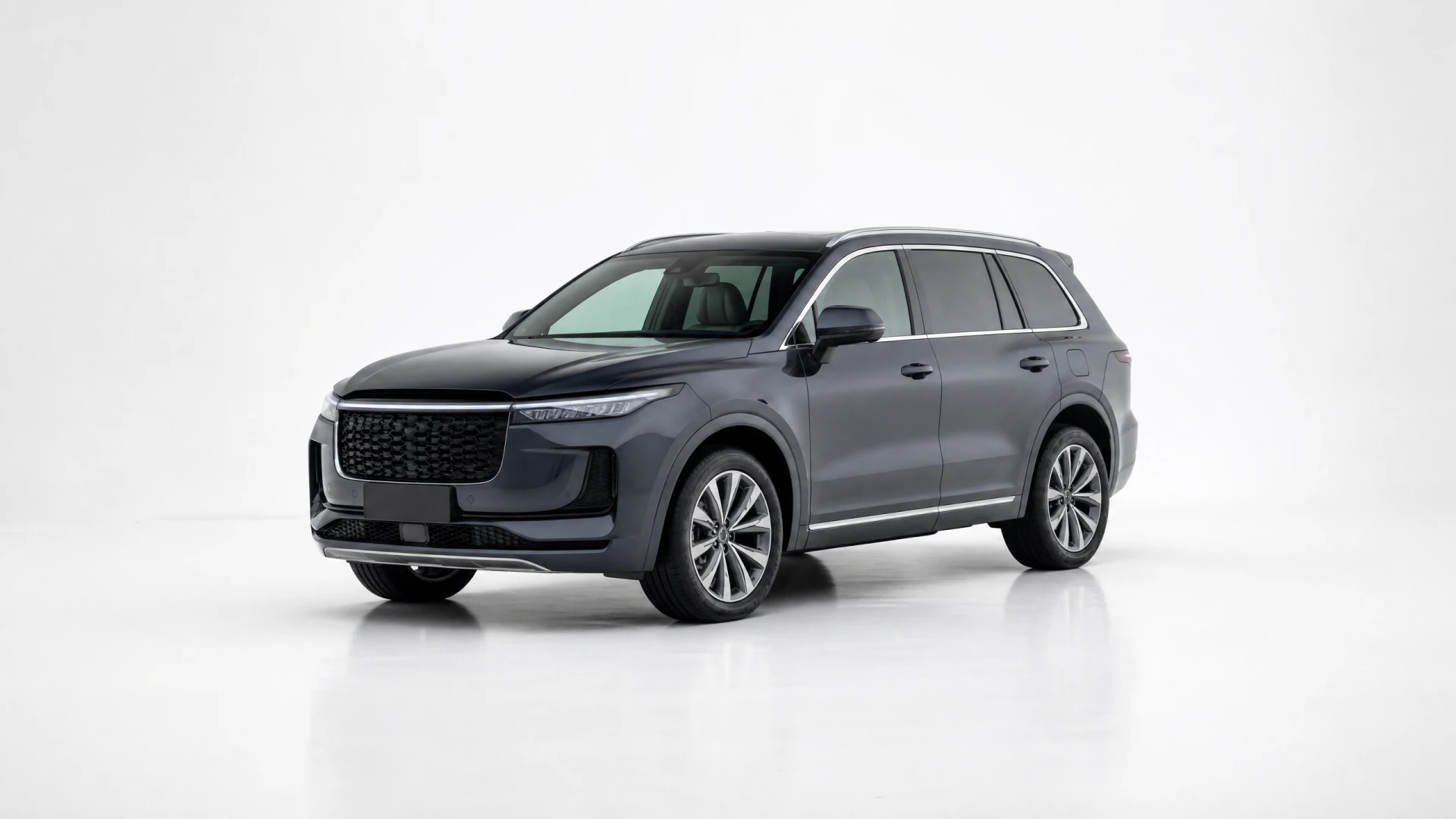
The short version
Your personal policy likely excludes coverage while you're actively delivering, even though it covers normal driving. The fix is telling your insurer what you actually do and asking about a delivery endorsement or separate policy. Do that before your next shift, not after a claim.
What happens if I get in an accident and never told my insurer I deliver?
If the insurer discovers you were delivering at the time of the accident, it can deny the claim entirely, leaving you responsible for damage, medical costs, and any liability to others involved. This isn't a minor paperwork issue, it can mean paying for a totaled car and someone else's injuries out of pocket.
Beyond the denied claim, insurers can also cancel or decline to renew your policy once they learn your driving didn't match what you disclosed. That makes finding new coverage harder and sometimes more expensive going forward, since future insurers ask about past cancellations. The safer path is always disclosing delivery work before it becomes relevant in a claim.
Now you know a personal policy likely won't cover delivery driving, so compare quotes built for how you actually drive.
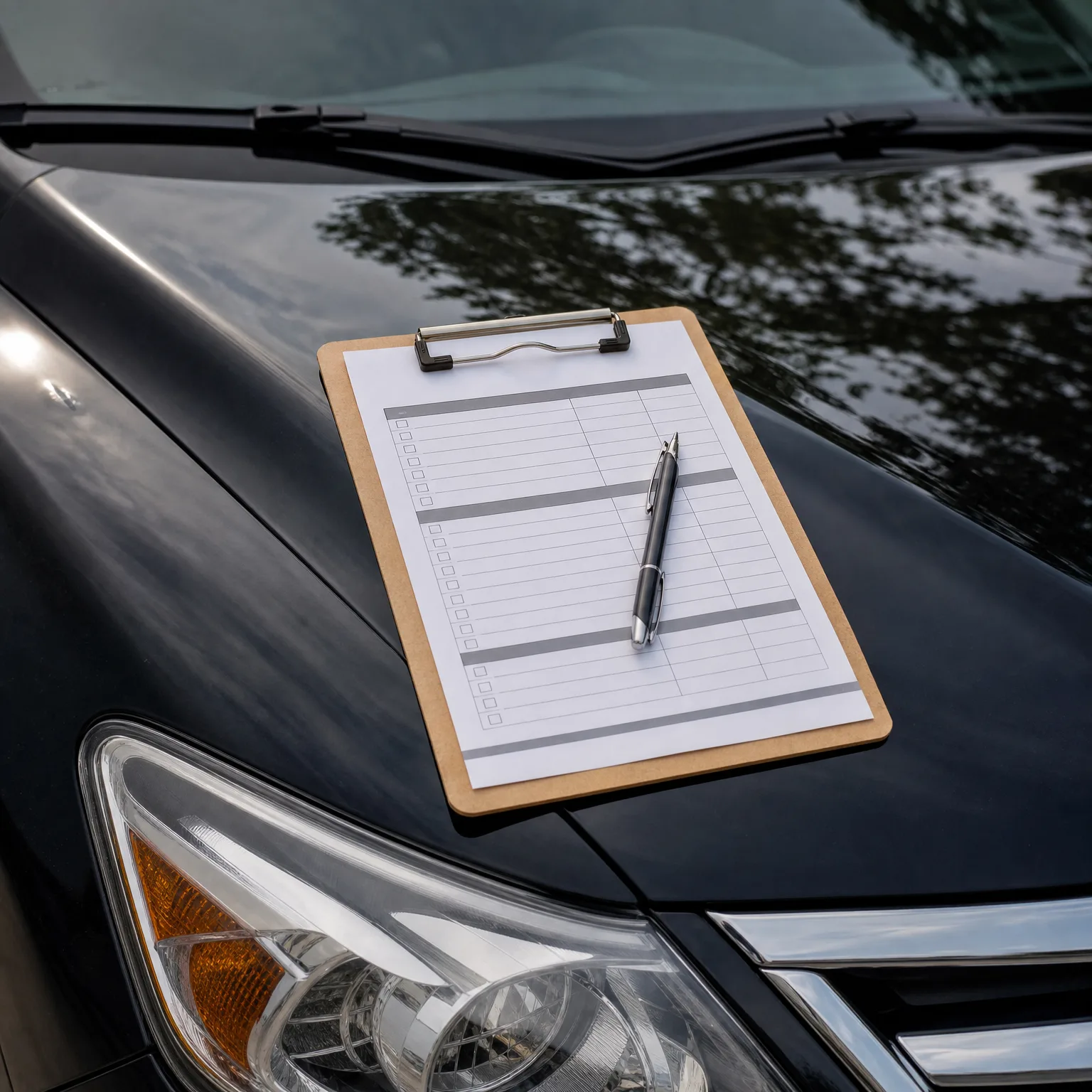
What to check before you deliver again
- Read your exclusions Look for words like livery, delivery, or business use in your policy's exclusions section. If it's unclear, call your insurer and ask directly whether delivery driving voids coverage.
- Ask about an endorsement Many insurers offer a delivery or rideshare endorsement for a modest add on to your existing policy. Ask if one exists for your insurer before assuming you need to switch entirely.
- Check what the app provides Some delivery platforms carry limited insurance while you're actively on a delivery, but it often has gaps before pickup and after drop off. Read what it actually covers, not just that coverage exists.
- Tell your insurer now, not later Disclosing delivery work before an accident protects your coverage and your rates. Disclosing it after a claim is filed is often too late to help you.
- Check if it's not your car If you drive a family or borrowed car, the policyholder needs to know and be part of this conversation. Their policy, not just yours, is what's actually on the line.

A student driver finds out the hard way
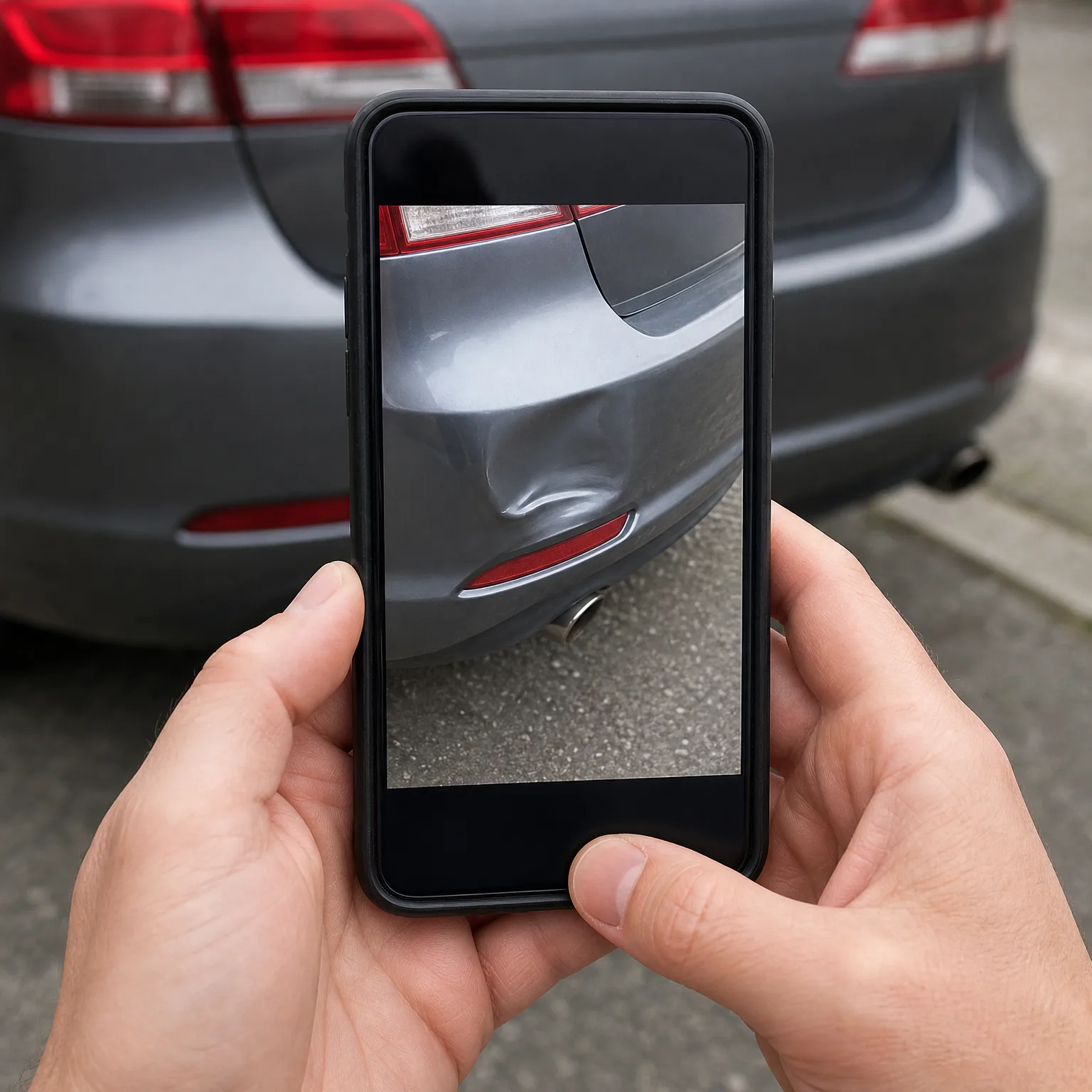
A college student used their parent's car to deliver food between classes, logging into the app a few hours a few nights a week. They never mentioned it to the family's insurer, assuming the existing policy covered any driving they did. One evening, pulling out of a restaurant parking lot with an order in hand, another car clipped the rear bumper.
When the claim was filed, the insurer asked for the app's activity log as part of the review, standard procedure once a delivery bag or branded sign is mentioned in a police report. The timestamps showed the student was logged in and actively assigned to a delivery at the moment of the crash. The claim was denied, and the family had to pay for repairs out of pocket while also discussing with the insurer whether the policy would continue at renewal. The student later found a delivery endorsement available through the same insurer for a modest cost, something that would have covered the exact situation had it been added before that shift.