How to Fix a Denied Car Insurance Claim
A denied claim gets fixed by finding out exactly why it was denied, then correcting the coverage gap it exposed.

Steps that actually move a denied claim forward
- Get the denial in writing Call your insurer and ask for the specific reason, not a summary. You need the exact policy language they're using before you can respond to it.
- Check if it was business use Many denials happen because the car was being used for delivery when the damage occurred. If that's the reason, your personal policy likely never covered that drive.
- Ask about reconsideration Some denials are clerical or based on incomplete information. Ask directly if the decision can be reviewed once you provide more documentation.
- Fix the coverage gap If the denial was about business use, getting this claim paid won't stop the next one from being denied too. You need an endorsement or different policy going forward.
- File a complaint if you're stuck If the insurer won't explain the denial or review it, your state's insurance department can step in. This works for genuine disputes, not for claims the policy was never meant to cover.
The short version
A denied delivery claim almost always comes down to coverage, not paperwork. Find out the exact reason in writing, and if it's business use, you'll need to fix that gap before your next shift, not just appeal this one claim.
A rideshare driver's claim got denied after a fender bender
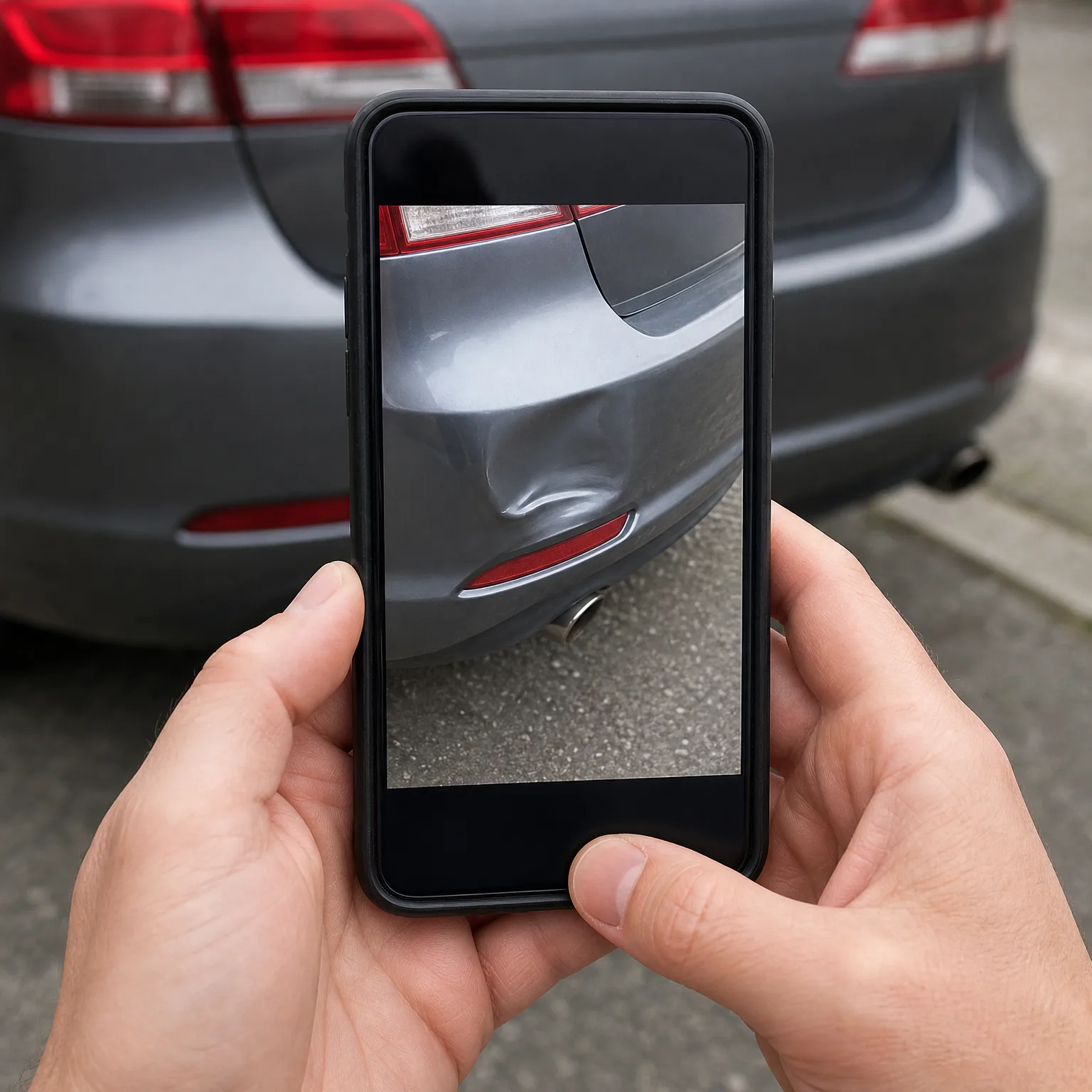
A driver delivering groceries through an app got rear-ended while waiting outside a store with the app on. She filed a claim with her personal insurer, assuming her regular policy would cover it like any other fender bender. Two weeks later the claim came back denied, with a letter citing business use exclusion. She hadn't told her insurer she was delivering and had no idea that mattered since she wasn't using a special work vehicle.
She called her insurer and asked exactly what triggered the denial. They confirmed the app being active counted as business use, which her policy didn't cover. She couldn't undo the denial since the facts were correct, but she asked what would prevent this from happening again. Her insurer offered an endorsement that covered delivery driving for an added cost. She added it immediately and kept delivering, but made sure to mention the app status on any future claim so there'd be no surprises. The next minor incident she had was covered without a fight.
Once you know what caused the denial, compare quotes for coverage that actually protects your delivery driving.
Will fixing this make my next delivery claim automatically get paid?
Not automatically. Fixing the denial usually means two separate things happened. First, you understood why this specific claim was denied, often because the car was in business use when the damage occurred. Second, you changed your coverage so that future business use is actually included in your policy.
If you only resolve the first claim through appeal or complaint, but don't add the right coverage, your very next delivery claim can be denied for the exact same reason. The fix that matters long term is making sure your policy explicitly covers you while delivering, whether that's an endorsement, a rideshare or delivery-specific policy, or coverage through the platform you work for. Check what your state requires insurers to disclose about these options, since availability varies.

Does my insurer have to tell me why they denied my claim?
Yes, insurers are generally required to provide a clear reason for denial, though the exact format and detail required can vary by state. Ask for it in writing if you only got a verbal explanation. Check your state insurance department's rules if the explanation feels vague or incomplete, since you may be entitled to more detail than you received.
Can I switch insurers after a denied claim without losing coverage?
Yes, you can switch insurers, but a denied claim and the reason behind it will likely come up during underwriting with a new company. If the denial was about business use, disclose your delivery driving upfront so the new policy doesn't deny you the same way. Shopping around after a denial is reasonable, but hiding the same issue just repeats the problem.
What happens if I keep delivering without fixing my coverage?
You risk another denied claim and possibly losing your policy altogether if the insurer sees a pattern of undisclosed business use. Each incident makes your coverage history look worse to future insurers. The safer move is closing the coverage gap now, before another claim forces the issue.