Is 15000 Annual Miles a Lot
For most drivers 15,000 miles a year is average to slightly above average, but for delivery work it changes what your insurer needs to know.
What matters more than the number itself
- Mileage sets the baseline Insurers use annual mileage to estimate how often you're exposed to risk. Fifteen thousand miles is close to typical for a commuter, so alone it won't raise flags.
- Purpose changes everything The same miles driven for commuting and for paid delivery are not treated the same way. Tell your insurer the miles include delivery work, not just the total.
- Business use needs its own line A personal policy usually assumes personal errands and commuting, not paid trips. Ask your insurer whether your mileage should be classified as business use.
- Wear shows up faster More miles means more brake jobs, oil changes and tire wear, especially with constant stops. Track maintenance costs separately so you know if delivery is actually worth it.
- Honesty protects you later If you estimated low mileage when you got the policy, delivery miles can push past that. Update your insurer now instead of waiting for a renewal or a claim.

The short version
Fifteen thousand miles a year isn't unusual on its own, but if part of it is delivery work, the mileage number matters less than whether your insurer knows about the purpose. Call your insurer, tell them you deliver, and ask how they want that use reported. That call protects your coverage more than the mileage ever could.
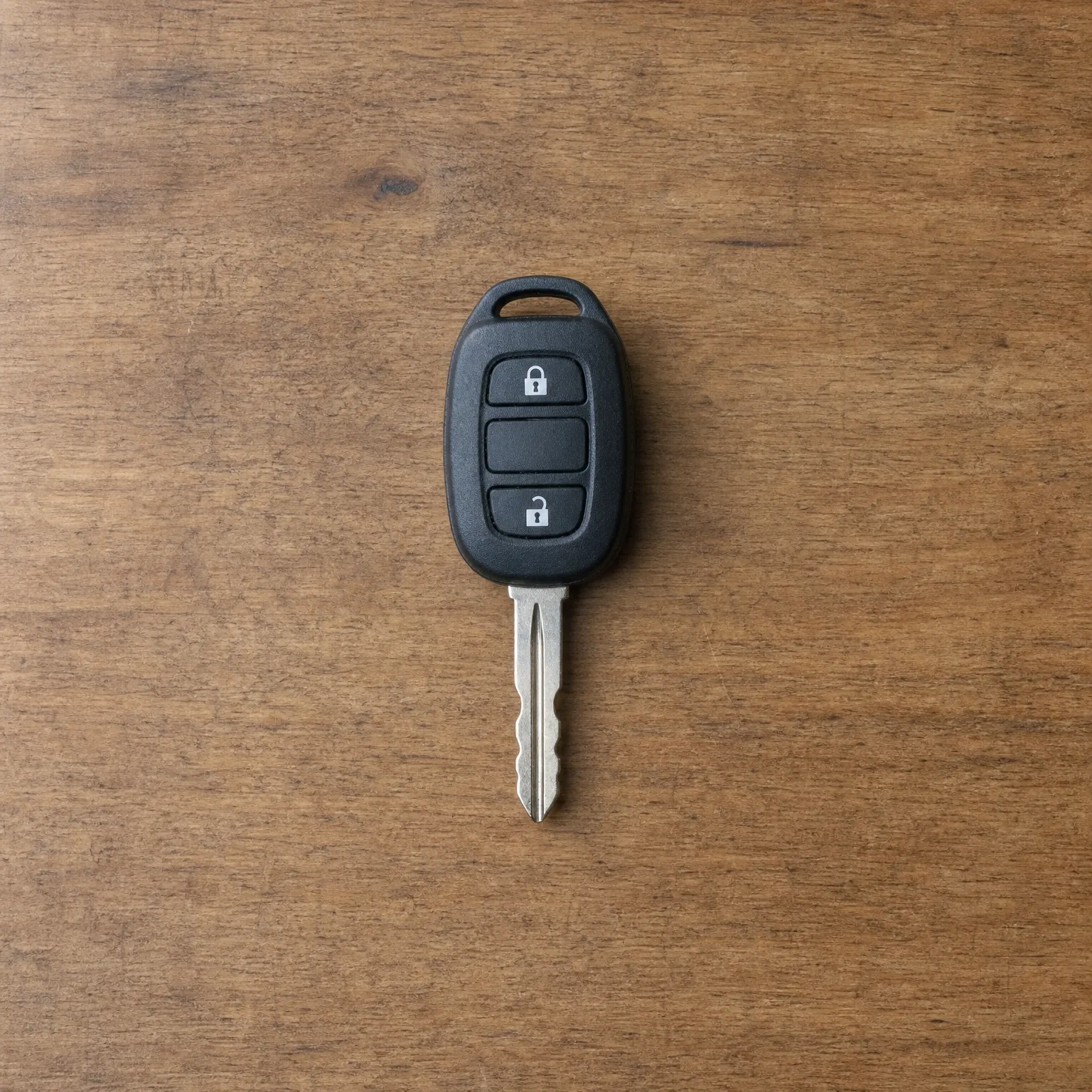
A rideshare driver who added delivery shifts
Maria drove about fourteen thousand miles a year commuting and running errands. When she picked up a few evening delivery shifts through an app, she didn't think to mention it to her insurer, since her total mileage barely changed. She assumed the extra few thousand miles blended into her usual driving and wouldn't matter.
A few months in, she had a minor accident while waiting for her next delivery ping. Her insurer asked what she was doing at the time, and she realized she didn't know whether that moment was covered. She called her insurer directly, explained the delivery work, and found out she needed an endorsement to be covered during active deliveries. She added it, paid a bit more, and kept driving. The claim was processed without a fight, and she stopped worrying every time she logged into the app.
Once you know how your mileage and delivery work should be classified, compare quotes that actually match how you drive.

Telling your insurer you deliver on these miles
If you do
Your insurer classifies your driving correctly from the start. You may pay a little more, but claims during deliveries get handled without delay or denial. You know exactly what's covered and what isn't, and you stop guessing every time you're on the road.
If you don't
Your policy still looks normal on paper, and nothing changes until something happens. If you're in an accident while delivering, your insurer can investigate, deny the claim, or cancel your policy. You could end up paying for damage yourself and searching for new coverage afterward.
Does low mileage mean cheaper car insurance?
Generally yes, since insurers see fewer miles as fewer chances for an accident. But this only applies to personal mileage categories, so if some of your miles are delivery work, your insurer needs to know that separately from your total. Ask specifically how they split personal and business mileage estimates, since a low total can still include underreported business use.
How do insurers verify your annual mileage?
Insurers may ask for an odometer reading at renewal, pull data from inspections, or rely on your estimate when you set up the policy. Some use telematics devices or apps that track mileage directly. If your estimate was off, especially due to delivery driving, your insurer may adjust your rate or ask questions after a claim, so keep your own simple mileage log if you can.
Does delivery driving increase my car insurance rate?
Usually yes, because paid delivery work adds risk your insurer wasn't pricing for. The increase depends on how often you deliver, what you drive, and your state's rules for business use coverage. Ask your insurer for the specific cost difference before you commit, since it varies a lot by company and by how many hours you're actually on the road delivering.
The number of miles matters less than whether your insurer knows what those miles are for.