What Car Insurance Do Gig Workers Need
You need a policy that covers paid driving, through an endorsement, a delivery add-on, or a commercial policy depending on your hours.
Personal policies are built around personal use, nothing more
A personal auto policy is priced and written around the assumption that you drive to work, to the store, to see people. It is not priced for a car that is on the road for hours carrying food or packages for money. Insurers call this a business use exclusion, and it exists in some form in almost every personal policy. The exact wording varies by insurer, so you need to check your own policy or ask the company directly rather than assume.
The reason this matters so much is how claims actually get decided. An insurer investigating a claim will often pull delivery app data or ask what you were doing at the time of the accident. If you were logged into a delivery app, or had just dropped off an order, that can be enough to deny the claim even if you've paid premiums for years without a problem. It is not about whether you deliver often. It is about what you were doing in that specific moment.
What closes the gap depends on how much delivery driving you actually do. Occasional or part-time delivery, especially through apps that provide some coverage while you're logged in, can often be handled with an endorsement added to your existing policy. Heavier use, especially for a job where you're delivering most of the day or using the car as a work vehicle, usually needs a commercial or business-use policy instead. Some states and insurers draw this line differently, so what counts as light versus heavy use is worth confirming directly.
The app or employer's insurance, if any exists, almost never covers the whole trip. Many only apply once you've accepted a delivery and stop the moment you drop it off, leaving gaps on the way to pick up the next one. Your own coverage is what fills those gaps.
A driver who added delivery shifts to a part-time job
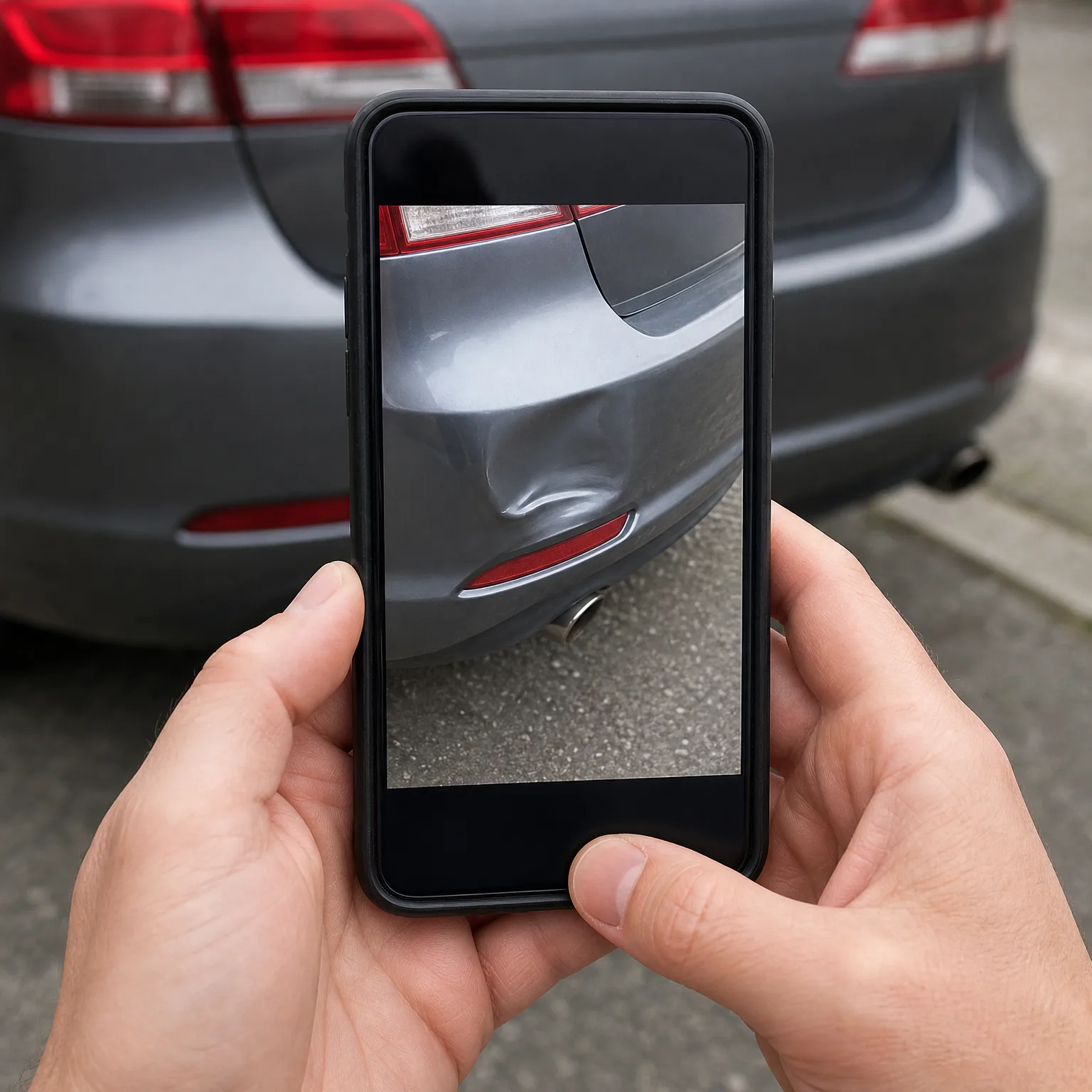
Someone working a few shifts a week at a restaurant started using their own car for delivery runs when the restaurant got busy. They assumed their personal policy covered it since they already drove the car daily for other things. After a minor collision during a delivery, the insurer asked what the car was being used for at the time, found out it was a paid delivery, and denied the claim under the business use exclusion in the policy.
After that, the driver called their insurer and explained the actual pattern, a few delivery shifts a week, using their own car, not through an app. The insurer offered an endorsement that covered that specific use for a modest addition to the existing premium, instead of requiring a full commercial policy. The driver added it, mentioned the delivery work when the policy renewed so it stayed accurate, and kept the rest of their coverage the same. The next minor incident, months later, was covered without a dispute because the policy now matched what the car was actually being used for.
Will my insurance rates go up if I tell them I deliver for money?
Usually, yes, some increase is likely, because the insurer is now covering more risk than a personal-use policy assumes. But the size of that increase depends heavily on how often you actually drive for delivery, what you drive, and which insurer you're with, so it varies too much to predict without asking directly.
The more useful way to think about it is against the alternative. A denied claim after an accident during a delivery can cost far more than any premium increase, and it can also affect your ability to get coverage afterward. Paying a bit more now to have a policy that actually covers what you're doing is usually the cheaper outcome, even if it doesn't feel that way when the renewal notice arrives.
Once you know whether you need an endorsement or a commercial policy, compare quotes built around that exact answer.

Telling your insurer you deliver for money
If you do
Your insurer reviews your actual driving pattern and offers the right coverage, whether that's an endorsement or a different policy type. Your premium may rise some. In exchange, a delivery-related accident gets covered like any other, with no investigation into what you were doing when it happened.
If you don't
Your premium stays the same for now, but your coverage is built around an assumption that no longer matches how you use the car. If you're ever in an accident while delivering, the insurer can investigate, find the mismatch, and deny the claim, leaving you to cover damage and injury costs yourself.
Does my car insurance cover me if I only deliver occasionally?
It depends on your insurer's specific wording, but occasional delivery driving is still business use in the eyes of most policies, even if it's just a few hours a week. The frequency doesn't exempt you from the exclusion, though it does affect what kind of add-on coverage makes sense. Check with your insurer about how they define occasional versus regular use, since that threshold varies and determines whether an endorsement is enough or you need something more.
Do I need commercial insurance if I use my own car for deliveries?
Not always, it depends on how much and how regularly you drive for delivery work. Light or part-time delivery driving can often be covered with an endorsement added to a personal policy, while driving that amounts to a full job, especially many hours a day, usually crosses into needing a commercial policy. Ask your insurer where that line falls for them specifically, since the threshold isn't the same everywhere and some only offer one option.
Is the waiting time between delivery app orders covered by anything?
Often not fully, and this is one of the biggest coverage gaps for delivery drivers. Many app-provided insurance periods only start once you accept a delivery, leaving the time spent waiting for a request uncovered by the app and potentially excluded by your personal policy too. What covers this gap depends on your specific endorsement or policy, so ask directly whether it includes waiting time, not just active deliveries themselves.