What Happens if You Lie About Car Insurance Use
If your insurer learns you've been delivering without telling them, they can deny your claim and cancel your policy.
Your policy is priced on the risk you reported, not the risk you have
A personal auto policy is built around how and how much you actually drive. When you add regular delivery trips, you're adding miles, time on the road during peak crash hours, and strangers' packages or food in your car. That's a different risk than commuting and errands, even if nobody told you that in plain language when you signed up.
Insurers find out in a few common ways. A claims adjuster asks what you were doing at the time of the accident, and delivery apps leave a digital trail they can request. Sometimes it surfaces years later during a renewal review or because another driver's attorney starts asking questions. Once it's on record that you were delivering and hadn't disclosed it, the insurer has grounds to treat the policy differently than they would have otherwise.
What actually happens depends on timing and on your state. If you're in the middle of a claim when this comes out, many insurers will deny coverage for that specific incident, since the vehicle was being used in a way the policy didn't contemplate. Outside of a claim, insurers may cancel or decline to renew the policy, or back out the undisclosed use and reprice it going forward. A few states limit how and when an insurer can cancel an existing policy, so what's possible varies and is worth checking directly with your state's insurance department or your agent.
The honest cases that work out differently are the ones where someone discloses before anything happens. Insurers would rather adjust your premium or route you to an endorsement than discover the gap later during a claim. Disclosure early is treated as routine business. Disclosure after a crash is treated as a problem.

What's actually on the line when you don't disclose
- Claim denial If you're delivering when you crash and never disclosed it, the insurer can refuse to pay for your car, the other car, or injuries. Call your insurer now and ask directly before this becomes a claim.
- Policy cancellation Insurers can cancel or decline to renew once undisclosed delivery use comes to light, even without a claim. Ask your agent what triggers cancellation in your state before you're surprised by a notice.
- Harder, costlier coverage later A cancellation or denied claim on your record makes future insurers see you as higher risk. Fixing your current policy now protects what you can get next time you shop.
- You could owe the other driver If your claim is denied, damage to the other car may not be covered either, leaving you personally on the hook. This is often the costliest outcome, not just the inconvenient one.
- Usually fixable before a loss Most insurers have a way to add delivery use to your policy or point you to a product built for it. Ask specifically what options exist for someone who delivers in their own car.
Will my insurer definitely find out if I don't say anything?
Not always, and that's exactly why people keep quiet. Plenty of people deliver for months or years without their insurer ever asking. But you can't control when it surfaces, and the moment it usually does is the worst possible one, right after a crash when you need coverage most.
Delivery apps keep records of when you were logged in and driving for them, and that record can be requested during a claims investigation. Other drivers' attorneys can also raise the question if a crash looks like it happened during a delivery run. Renewal reviews occasionally catch mismatches too, especially if your mileage jumps noticeably. The risk isn't that you'll certainly get caught. It's that if you do, it happens at the one moment when hiding it costs you the most.
Now that you know what disclosure actually changes, compare quotes that already account for your delivery driving.

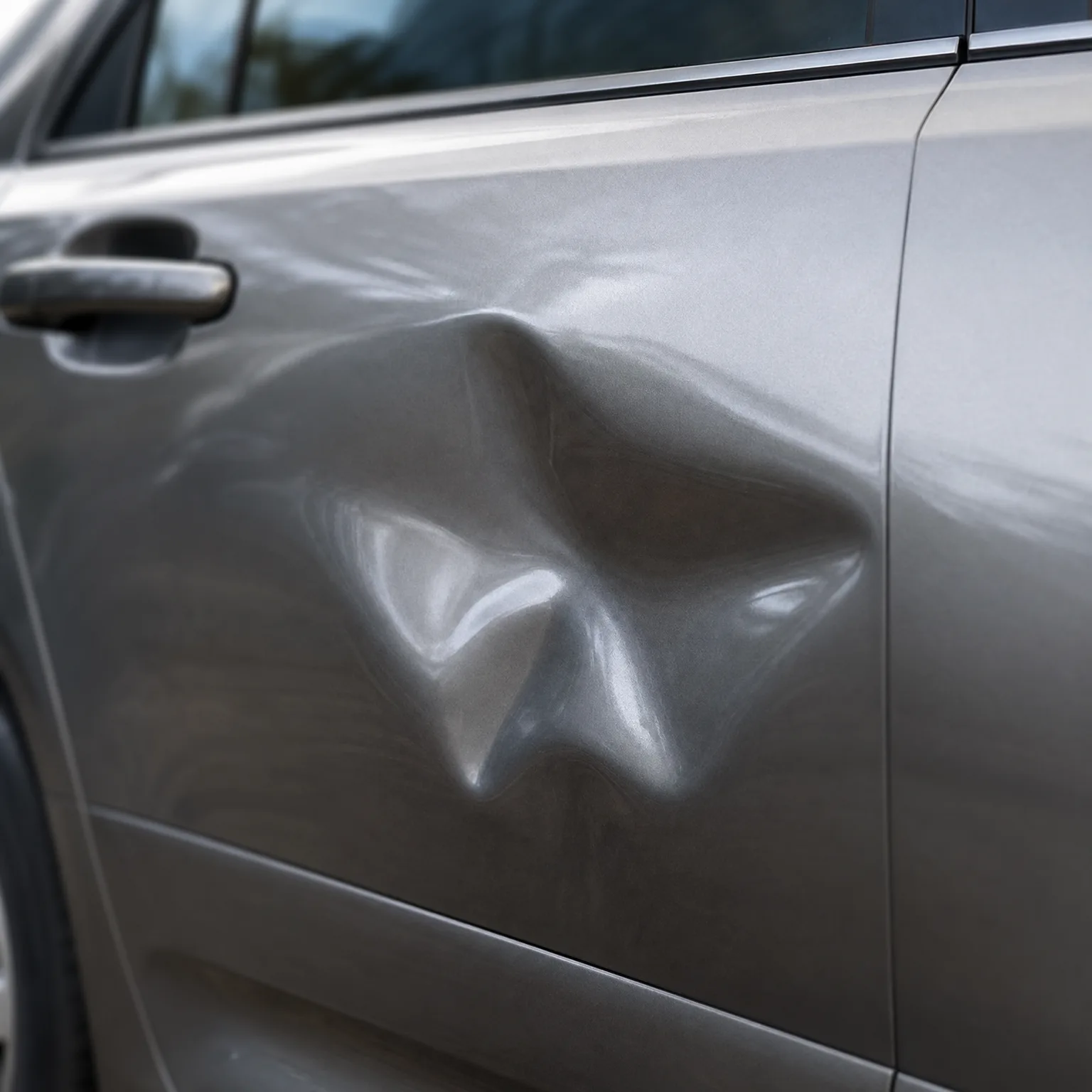
A student who didn't tell anyone for a year
A college student drove her own car for a food delivery app a few nights a week, never mentioning it to her insurer because she figured her existing policy already covered her car no matter what she was doing in it. She wasn't trying to hide anything, it just never occurred to her that it mattered.
A year in, she rear-ended someone while waiting on a delivery pickup. The adjuster asked why she was parked outside a restaurant at that hour, and she explained the app. The insurer reviewed her account activity, confirmed she'd been logged in and available for deliveries, and denied the claim for her own car's damage since that use wasn't disclosed or covered. She ended up paying out of pocket for her repairs and had to find new coverage afterward, since her policy wasn't renewed. She later added proper coverage before resuming delivery work, which cost more monthly but meant one bad pickup didn't become a repeat of that year.
Telling your insurer before a crash costs you a premium adjustment. Telling them after costs you the claim.