What Is Gig Insurance
Gig insurance fills the gap your personal policy leaves open during the time you're actually working.
Personal policies assume you're driving only for yourself
A personal auto policy is priced and written around ordinary, non-paid driving. The moment money changes hands for the trip you're on, you've stepped into a category insurers treat differently, because the risk changes. You're on the road more, often during busier hours, moving with more urgency, and stopping more frequently. Insurers price for that risk separately, and most personal policies simply exclude it rather than price it in.
Gig insurance exists to fill that specific window. Delivery apps typically carry some coverage once you've accepted a job, but it often has gaps, especially in the moments right after you go online and before you've picked up a request. Gig insurance, sometimes added as an endorsement to your personal policy or sometimes a standalone policy, is built to cover exactly that in-between period that the app and your personal policy both tend to skip.
What counts as gig driving, how the endorsement is priced, and whether it's even offered varies by insurer and by state. Some insurers won't write it at all and expect you to carry a separate commercial or rideshare-style policy instead. Others fold it in as a simple add-on. This is one of those things you have to ask about directly, because assuming your state or insurer handles it the same way as a friend's can leave you exposed.
The cases where it works out differently usually involve how often and how formally you deliver. Someone using a personal car occasionally for a side gig has different needs than someone whose car is now essentially a work vehicle. Insurers look at frequency, mileage, and whether the car is used for other business purposes too. The honest answer to what you need depends on how your specific pattern of driving maps onto those categories, which is why telling your insurer the truth about your situation matters more than guessing.
Will my rate go up if I add gig coverage?
It might change, but not adding it when you're actually delivering is the riskier move. Insurers price coverage based on real risk, and if delivering genuinely increases your risk profile, reflecting that honestly in your premium is the trade-off for having real protection during those hours.
The alternative, staying quiet and hoping a claim never happens during a delivery, isn't really saving you money. It's deferring a much bigger cost to a moment when you can least afford it, a denied claim on a damaged or totaled car. Ask your insurer directly what the endorsement would cost before you decide it's not worth it. You may find it's smaller than the risk you're currently carrying unprotected.

Compare quotes now that you know what gig coverage actually needs to include for your driving pattern.
A driver who added coverage before it was tested
A college student had been using their family's car to deliver food after classes for a few months, without mentioning it to the family's insurer. They got nervous after hearing about a friend's claim getting denied, so they called their insurer directly and explained exactly how often they drove, for how long, and through which app. The insurer walked them through an endorsement option that covered the gap between logging into the app and accepting a delivery, which was the exact period their research showed was weakest.
The cost was modest compared to what they feared, and it was tied to how many hours a week they actually delivered rather than a flat business rate. A few months later, a minor collision happened while they were online waiting for a request, not yet on an active delivery. Because the endorsement was in place, the claim was handled under their own policy without a fight about whether they were working at the time. The family kept their original policy intact, and the student kept delivering without wondering, every time they logged in, whether that trip was the one that wouldn't be covered.
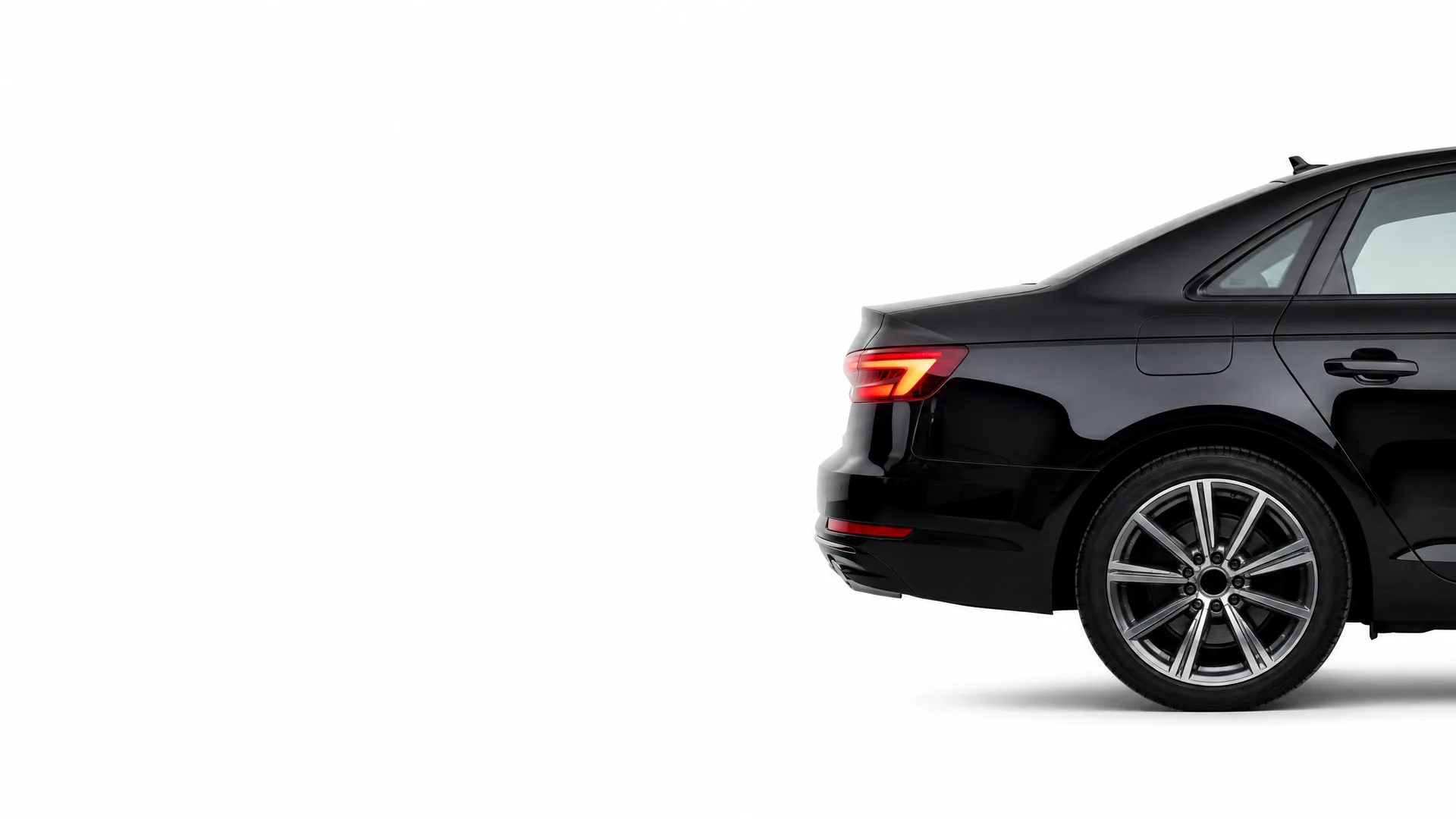
The coverage that matters most protects the quiet minutes between logging in and getting a delivery.
Does my delivery app's insurance cover me if my personal policy doesn't?
Usually only partially. Most delivery apps provide some liability coverage once you've accepted a job or are actively delivering, but coverage is often thinner or nonexistent in the period after you log in but before you accept a request. Check your specific app's policy terms for exactly when their coverage starts and stops, since this varies by company and sometimes by state. If there's a gap, that's exactly what gig insurance or an endorsement is meant to fill.
Can my insurer cancel my policy for not disclosing delivery work?
Yes, this is possible, especially if a claim reveals you were delivering without having told them. Insurers can treat undisclosed business use as a misrepresentation on the application, which can lead to a denied claim or a canceled policy. The fix is straightforward, call your insurer and describe your actual driving honestly. What they do next depends on their specific rules and your state's regulations around disclosure and cancellation.
Do I need commercial insurance instead of a gig endorsement?
It depends on how much and how formally you deliver. A gig endorsement is usually enough for occasional or part-time delivery work layered onto personal use of the car. Full commercial coverage tends to apply when the vehicle is used primarily for business, or when you're driving for a company that requires it. Ask your insurer where that line falls for your situation, since the threshold isn't the same everywhere.