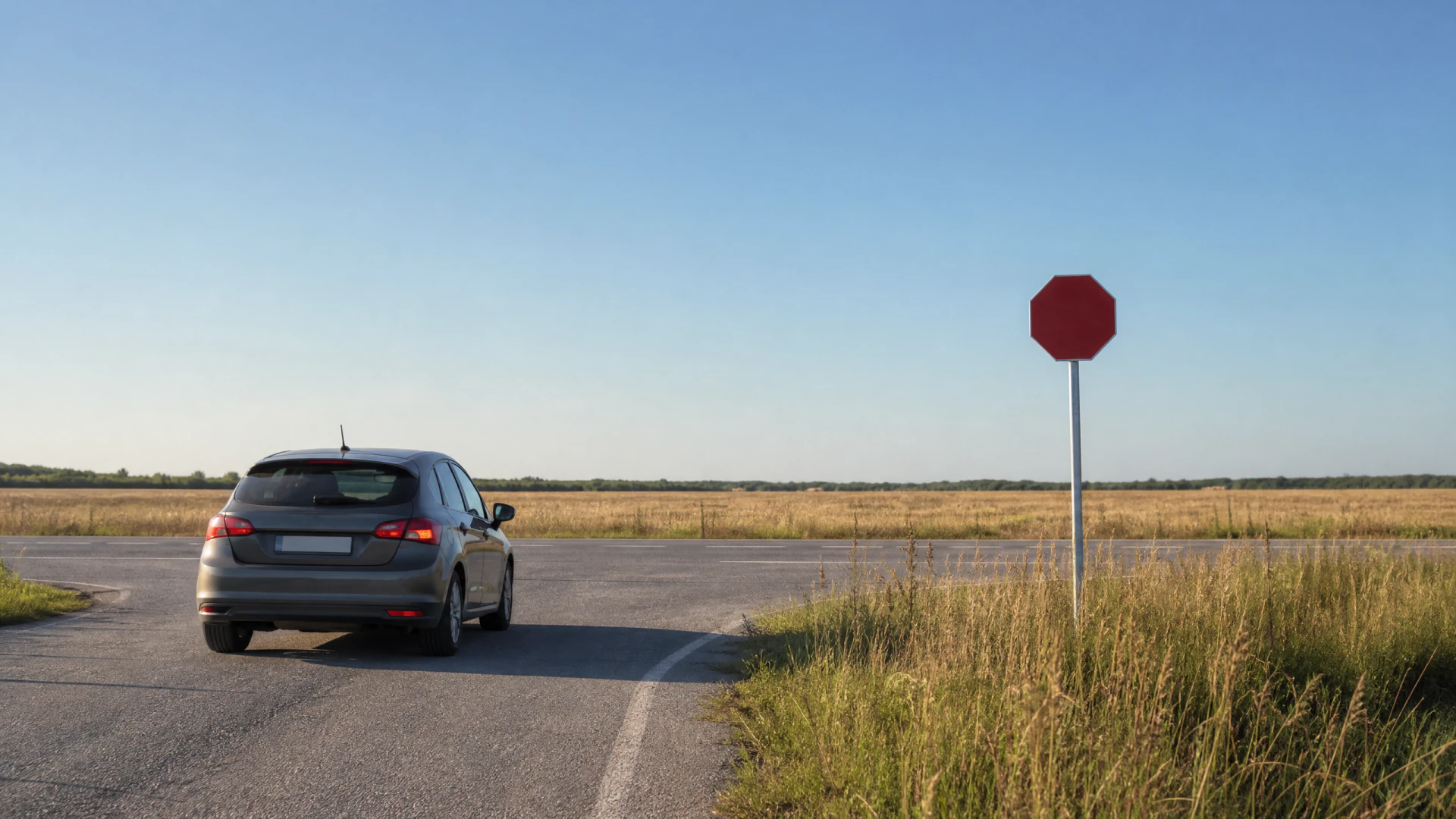
What Qualifies as Business Use for a Vehicle
If you drive for pay, even part time or for an app, that driving almost always counts as business use, not personal use.
Why delivering changes what your policy sees
A personal auto policy is priced and written around driving to work, errands and road trips. The moment you carry something for someone else in exchange for money, the insurer calls that a commercial purpose, no matter how small the payment or how few hours you work. The car hasn't changed, but what you're using it for has, and that's what insurance actually prices.
This isn't about how often you do it. One shift a week delivering for an app or a single paid grocery run for a neighbor can count the same as driving for a living, because the test is the activity itself, not the frequency. Some insurers draw a line between occasional paid driving and regular delivery work, offering a middle option for lighter use, but that line is set by each insurer and each state, not by a fixed rule.
What also matters is whose car you're driving and who's financially responsible if something goes wrong. If you're using a family member's car, their policy is the one being asked to cover business use it was never priced for, which can affect them even if you're the one earning the money. The insurer's main question is always what the car was being used for at the moment of a claim, not what you call your job.
Where this gets confusing is app-based delivery, because the company's insurance may only apply during certain parts of a trip, like after you accept an order but not while you're waiting for one. That gap is exactly why your own policy's treatment of business use still matters, even when you're driving for a platform that says it provides coverage.

The short version
Business use means earning money by transporting goods, including delivery apps, restaurant jobs and routes, no matter how few hours you work. Your personal policy likely wasn't priced for this, so a claim during delivery could be denied. Call your insurer, describe your driving, and ask what coverage applies.

How insurers decide if what you're doing is business use
- Getting paid to carry things If someone pays you, directly or through an app, to deliver food, groceries or packages, that's business use. Tell your insurer what you deliver and how often, even if it's just one shift a week.
- Whose car you're driving If the car belongs to a parent or partner, their policy is the one covering your delivery work. Make sure they know and are part of the conversation with the insurer, not just you.
- Gaps in app coverage Delivery apps often only cover you once you accept a trip, not while you're waiting for one. Ask your insurer specifically what fills that gap.
- Occasional versus regular work Some insurers treat light, occasional delivery differently from a steady gig. Ask if there's a lower-cost option for your actual pattern of driving instead of assuming you need full commercial coverage.
- What the endorsement changes An added endorsement usually keeps your personal policy but extends it to cover delivery driving. Ask exactly which parts of a delivery trip it covers before you assume you're protected.
Once you know how your delivery driving is classified, compare quotes that actually cover it.

Telling your insurer you deliver, or staying quiet
If you do
You describe what you deliver and how often, and the insurer tells you plainly what's covered and what isn't. You might pay a bit more or add an endorsement, but a claim during a delivery gets paid. You also find out about any gaps in app coverage before you need it, not after.
If you don't
Your policy still looks normal and payments still go through, so nothing feels different day to day. But if you're in an accident while delivering, the insurer can investigate your driving history, find the pattern, and deny the claim entirely, leaving you responsible for damage and medical costs yourself.
A driver finds out the hard way, then fixes it before it costs them
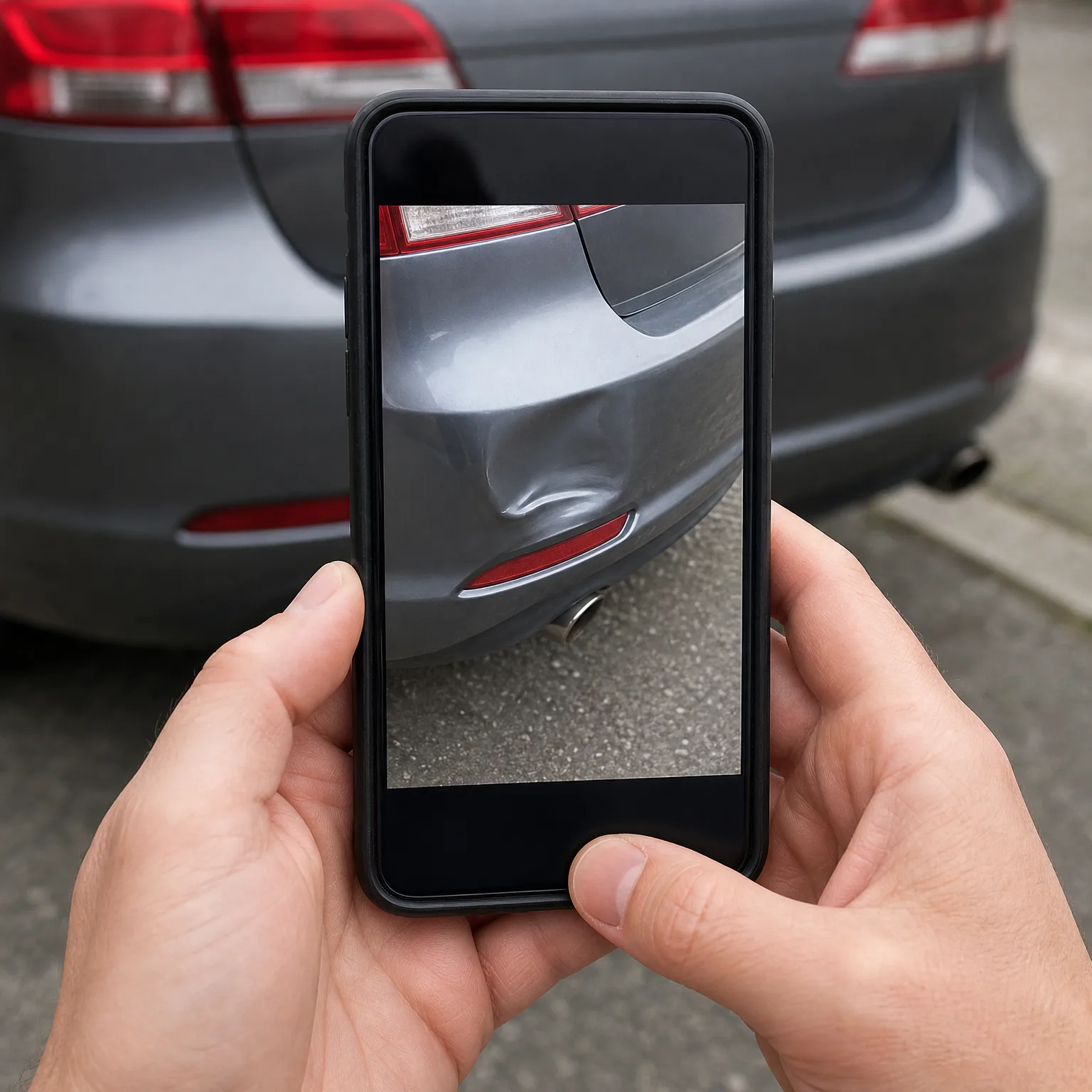
Someone started delivering groceries through an app on weekends, using the car they already had personal insurance on. They didn't mention it to their insurer because the policy hadn't asked and the work felt small, just a few hours here and there to cover gas money. A few months in, they were rear-ended while waiting outside a store for an order to be ready, before the app had matched them to a delivery.
They filed a claim expecting it to be routine, but the insurer asked what they were doing at the time and why the car's location history showed a pattern of regular stops at stores and restaurants. Once it was clear they were delivering for pay, the insurer flagged it as undisclosed business use and denied the claim. They called the insurer directly afterward, explained the full pattern of their driving, and added an endorsement that covered delivery work including the waiting period between orders. The next time something similar happened, the claim went through without question.