What to Do in a Car Accident Caused by Someone Else
Document the scene, report it to both insurers, and let the at-fault driver's coverage pay, even if you were mid-delivery when it happened.
Why the order of your steps determines whether you get paid
When someone else causes a crash, their liability coverage is supposed to pay for your damage and injuries. But that only works if the facts are clear and reported quickly. The driver who hit you, the police, and both insurance companies all need the same consistent story, backed by evidence, before anyone pays anything.
This is where delivery driving adds a wrinkle. If you were logged into a delivery app or running a route when the crash happened, your personal insurer may ask whether you had business use coverage or whether the delivery company's insurance applies instead. That doesn't change who's at fault. It changes which policy actually responds first, and that detail can slow a claim down if you don't raise it early.
In most places, you still report the accident to your own insurer even when you weren't at fault. This isn't about blame, it's about having your insurer on record from the start, in case the other driver's company delays or disputes the claim. Some states also have rules about who pays first when a vehicle was being used for delivery work, so it's worth asking your insurer directly how that applies to you.
The cases that get complicated are the ones where fault is unclear, where the other driver has no insurance, or where you were using a personal policy that didn't disclose delivery use. None of these make the accident your fault. They just mean you may need to lean harder on documentation and ask more questions before a check gets cut.
A delivery stop that ended in a rear-end collision
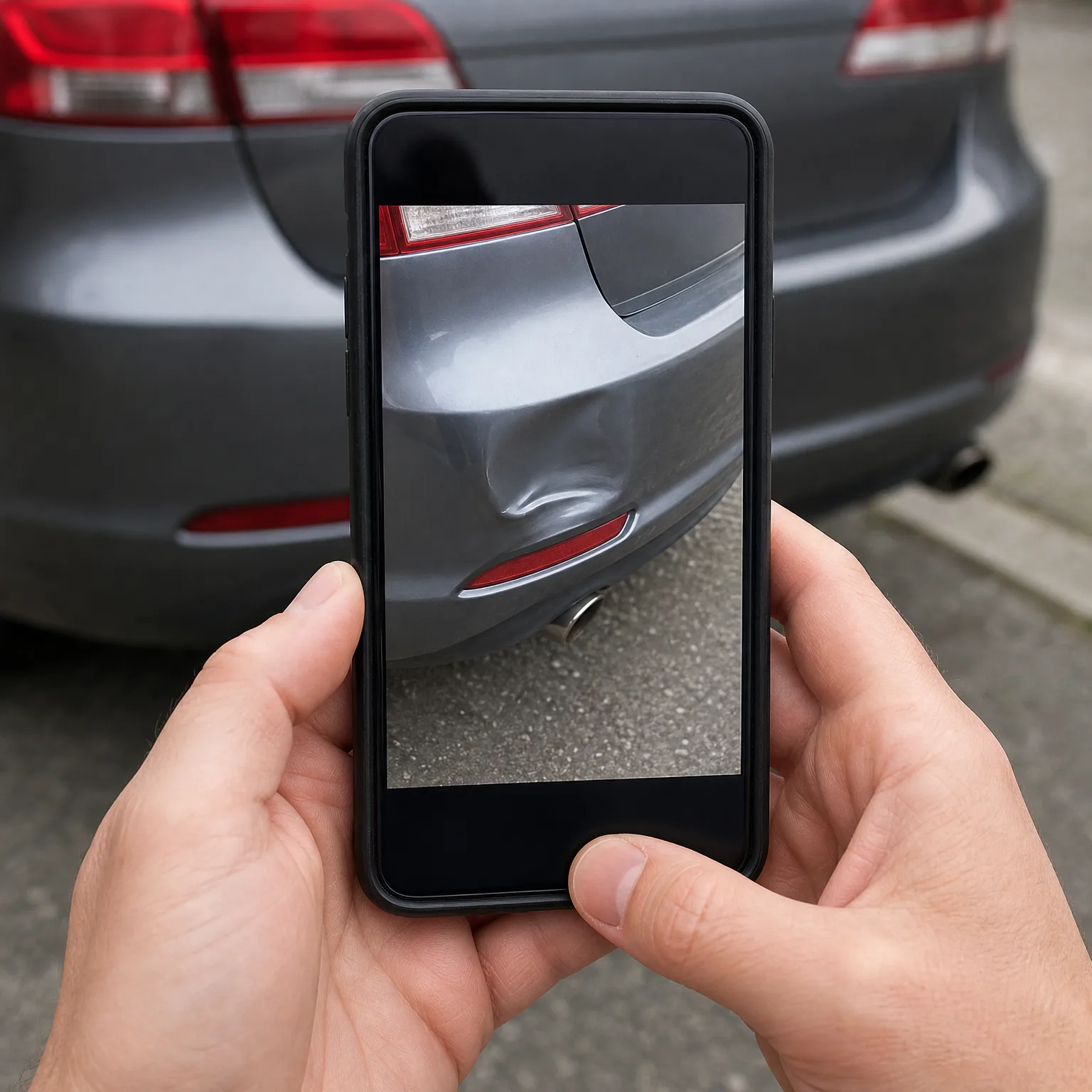
You'd just pulled over to drop off an order when another car rear-ended you while you were stopped. You turned on your hazards, took photos of both cars, the street, and the other driver's license and insurance card, and got a witness's number before anyone left the scene. You called the police to get a report filed, since that report becomes the backbone of the claim.
That evening you reported the accident to your own insurer, mentioning that you were making a delivery at the time, and also notified the delivery company since some apps carry supplemental coverage for moments like this. The other driver's insurer accepted fault based on the police report and photos, and paid for your repairs and medical costs. Because you'd disclosed the delivery use honestly from the start, there was no gap or denial, just a slower process while the two insurers sorted out who paid what.
Compare quotes now that you know how to protect a claim when someone else causes the crash.

Whether you report the accident to your own insurer right away
If you do
Your insurer has a record from day one. If the other driver's company delays, denies, or disputes fault, your insurer can step in, advocate for you, and keep the claim moving instead of leaving you stuck waiting on someone else's timeline.
If you don't
You're relying entirely on the other driver's insurer to act fairly and quickly. If they dispute fault or slow-walk the claim, you have no one on your side pushing back, and repairs or medical bills can sit unpaid for weeks.
What to do right after the crash, step by step
- Check for injuries first Call emergency services if anyone is hurt. Medical documentation from right after the crash matters later, even for injuries that feel minor at first.
- Document everything at the scene Photograph both vehicles, the road, and any visible damage. Get the other driver's name, insurance info, and license plate before you leave.
- Get a police report filed An official report gives both insurers a neutral account of what happened. Ask for the report number before you leave the scene.
- Report it to your own insurer Tell your insurer promptly, even though you weren't at fault. Mention if you were delivering at the time so they can flag the right coverage.
- Notify the delivery platform too If you were on an active delivery, let the company know. Some have supplemental coverage that applies during drop-offs or active orders.
What if the other driver has no insurance or not enough to cover the damage?
This is more common than people expect, and it's exactly why uninsured and underinsured motorist coverage exists on your own policy. If the other driver can't pay, your own coverage steps in to cover your damage and injuries, up to your policy's terms.
If you don't have that coverage, or aren't sure, this is worth checking before you need it. It often costs little to add and becomes the only thing standing between you and paying out of pocket for a crash you didn't cause. If you deliver regularly, ask specifically whether that protection still applies while you're on a delivery, since some policies narrow what they cover during business use.