Young and Student Delivery Drivers
If you're delivering for pay, your personal policy likely won't cover you unless you add the right coverage first.
Personal policies are built around driving for yourself, not for pay
Every personal auto policy has the same basic shape. It covers you driving to work, running errands, visiting friends, all the ordinary trips people take. It excludes driving where the point of the trip is earning money by carrying someone else's food or packages. That exclusion exists because delivery driving carries different risk. You're on the road more, often in a hurry, stopping and starting in traffic and parking lots. Insurers price personal policies assuming none of that, so they carve it out rather than guess at it.
This matters more for young drivers because the car is often shared or owned by a parent. If the policy is in a parent's name and you start delivering without anyone knowing, the exclusion still applies to you as a driver on that policy. Age doesn't create a special rule here. What matters is whether the use of the car for delivery was ever added to the policy, not who is driving or how old they are.
Students using a family car face an added wrinkle. Some policies ask who regularly drives the car and for what purpose, and a change in that pattern can matter even before a claim happens. If you started delivering after the policy was written, the facts on file no longer match what's actually happening, and that gap is exactly what insurers look at when a claim comes in.
Where this varies is by state and by insurer. Some allow an endorsement that adds delivery coverage to an existing personal policy. Others require a separate commercial or rideshare-style policy instead. Check with the insurer directly, because the fix that works for one person's policy might not be offered on another.
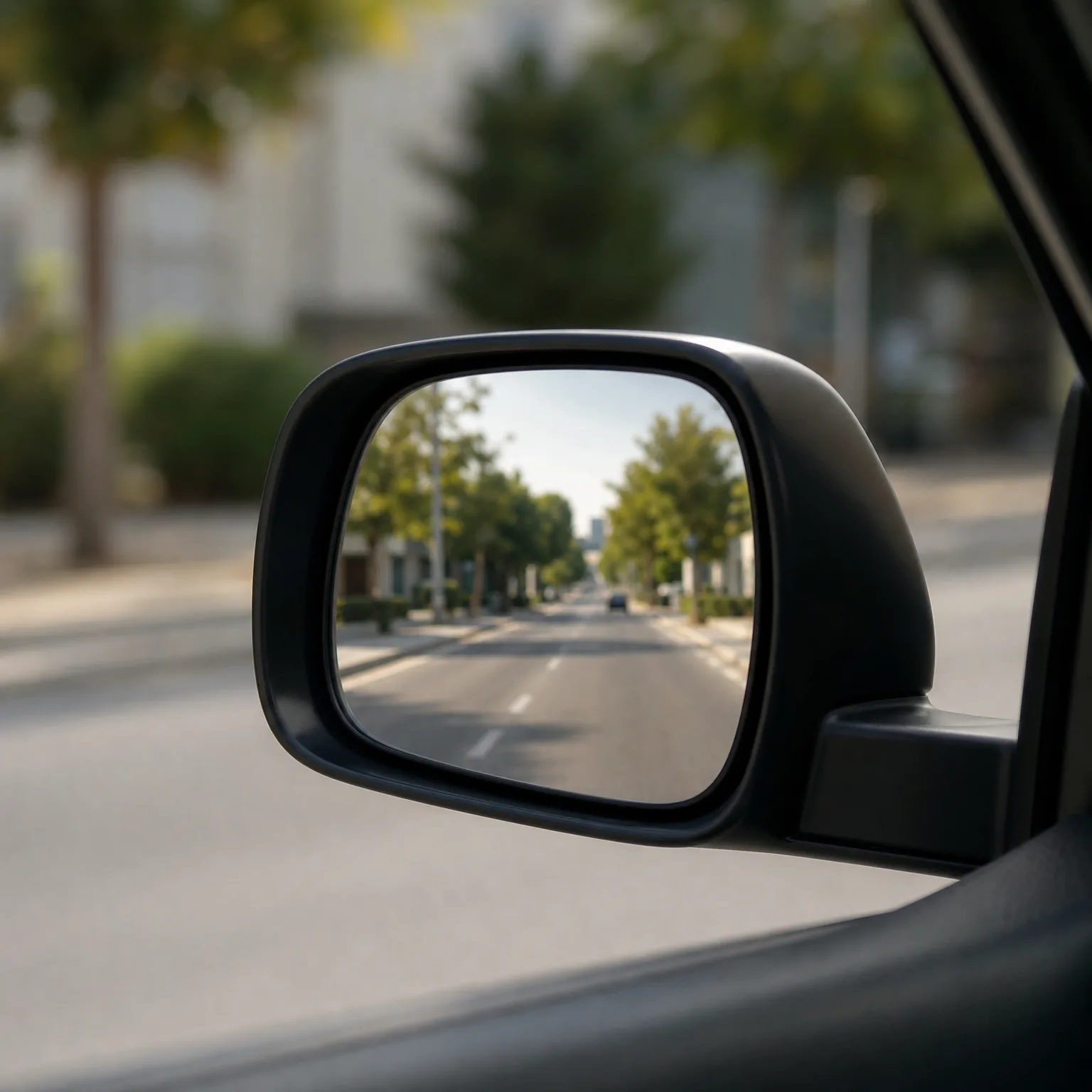
A student driving the family car for a food delivery app
A college student picked up weekend shifts delivering food through an app, using a parent's car that was insured under a standard family policy. Nobody mentioned it to the insurer, since the car was already covered and the student assumed that was enough. A few months in, the student was involved in a minor collision while waiting for a delivery pickup, parked at the curb with hazards on.
The claim stalled because the insurer asked what the car was being used for at the time, and the answer put the trip squarely in delivery use. The policy's exclusion applied, and the family had to cover the repair themselves while they sorted out next steps. Afterward, they called the insurer, explained the situation, and added an endorsement that covered delivery driving going forward. It cost more each month, but it meant the next incident, if there was one, wouldn't leave them paying out of pocket alone.

Now that you know what delivering actually requires, compare quotes that include it from the start.
What to sort out before your next shift
- Tell your insurer now Call before your next shift, not after a claim. Explain exactly what you're doing and ask what it takes to be covered for it.
- Check the policyholder If the car belongs to a parent, they need to be part of this conversation. The policy responds to them, not just to you.
- Ask about app coverage Some delivery apps offer coverage during active deliveries only. Find out exactly when it starts and stops, because the gaps are where you're exposed.
- Get the gap in writing Ask your insurer directly what happens between accepting an order and completing it. Don't assume, get the answer written down.
- Weigh cost against risk An endorsement or separate policy costs more, but so does paying for an accident yourself. Weigh it against what a claim denial would actually cost you.
The real risk isn't getting caught delivering. It's finding out, mid-claim, that you weren't covered.
Will my family's insurance rates go up if I add delivery coverage?
Usually yes, some. Adding an endorsement for delivery use typically raises the premium, because the insurer is now pricing for more time on the road and more stops. How much it goes up depends on the insurer, the state, and how often you're delivering.
The increase is almost always smaller than the cost of an accident that gets denied entirely. It also tends to be smaller than switching to a full commercial policy, which is usually overkill for occasional or part-time delivery work. Ask your insurer to walk through the cost difference between an endorsement and doing nothing, so the decision is based on real numbers rather than a guess about what delivering might cost.