What Insurance Do I Need for Fast Food Delivery
You need a commercial or delivery endorsement, because standard coverage often stops once you're driving for pay.
Why regular car insurance stops covering you mid-delivery
Personal auto policies are built around one assumption, that you're driving for yourself, not for pay. The moment you accept a delivery and start driving toward the restaurant or the drop-off, many insurers consider that a commercial use of your car, even if you're still using your own personal vehicle. That shift matters because it changes who's financially responsible if something goes wrong.
Insurers draw a line between personal errands and working for hire. Driving to buy your own groceries is personal. Driving to deliver someone else's food for a fee is commercial, even in the same car, on the same roads, the same afternoon. Your policy was priced and approved based on personal use, so when the use changes, the coverage can change too, sometimes without you realizing it until a claim happens.
What fills that gap differs by situation. Some delivery apps carry a layer of coverage for the time you're actively on a delivery, but it often doesn't start until you accept an order, and it may not match what your personal policy would have paid. A restaurant job using your own car for deliveries usually doesn't carry any separate coverage at all. This is why the fix is usually on your side, adding an endorsement or separate policy that tells your insurer exactly what you're doing and keeps you covered through the whole shift, not just parts of it.
Where this gets complicated is the in-between moments, like being logged into an app but waiting for an order, or driving home after your last delivery. Whether you're covered then depends on your insurer's wording and sometimes on your state's rules, so this is worth asking about directly rather than assuming.
What happens if I get in an accident while delivering and I'm not covered?
If your insurer determines you were doing delivery work and you didn't have the right coverage, they can deny the claim entirely. That means you'd be responsible for your own damage, the other driver's damage, and any injuries, out of your own pocket, with no payout to help.
This isn't just about the cost of one accident. A denied claim can also affect your relationship with your insurer going forward, including how they view your policy at renewal. The way to avoid this isn't to drive more carefully, it's to make sure your coverage actually matches what you're doing before you're ever in that situation.
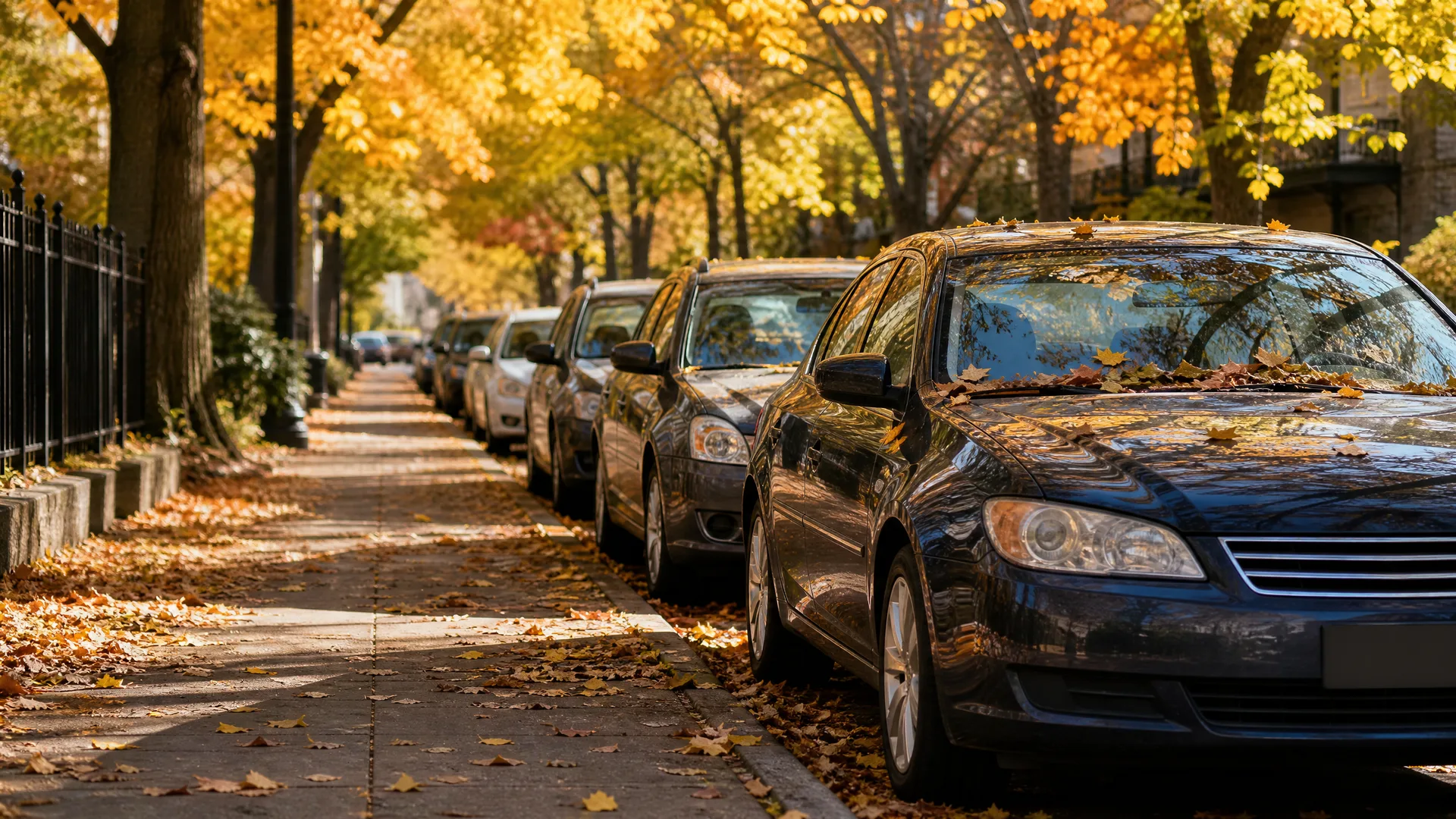
Compare quotes for delivery-ready coverage now that you know what to ask for and what to avoid.

What to check before your next delivery shift
- Tell your insurer first Call before adding a delivery endorsement, not after a claim. Insurers can cancel or deny coverage if they learn later that you didn't disclose the work.
- Check app coverage gaps Ask exactly when the app's coverage starts and ends during a shift. Don't assume it covers the drive to pick up your first order or the drive home after your last.
- Confirm who owns the car If you're driving a family or borrowed car, the owner's policy and your name both matter. Make sure the owner is part of this conversation, not just you.
- Ask about cost before assuming A delivery endorsement is often smaller than people expect and cheaper than losing coverage entirely. Get an actual quote before deciding it's not worth it.
- Separate work and personal use If delivery is more than occasional, ask whether you need a separate commercial policy instead of an endorsement. The right answer depends on how often you drive for pay.
The risk isn't getting into an accident, it's finding out afterward that you were never actually covered.
Does my insurance know I deliver food if I never told them?
No, insurers don't automatically know how you're using your car. They find out either when you tell them directly or when a claim investigation reveals it. If it comes out during a claim, they can deny payment and may cancel your policy, so the safer move is calling them yourself before your next shift, not waiting to see if it comes up.
Will my insurance rates go up if I add delivery coverage?
Usually, yes, some increase is likely, but it depends on your insurer, your driving history and how often you deliver. The size of that increase varies a lot, which is why it's worth getting an actual quote rather than guessing. Compare that cost against what you'd lose if a claim gets denied, since that comparison usually makes the decision clear.
Can I use my own car for delivery if it's not in my name?
Yes, but the car's owner needs to be involved in getting it properly insured for delivery use. Their policy is the one tied to the vehicle, so they may need to add the endorsement, or you may need your own policy depending on your state's rules. Skipping this step risks both your coverage and theirs.