Restaurant Delivery Jobs and Insurance
A personal auto policy almost never covers you while you're delivering food for pay, even if you've never filed a claim.
A restaurant delivery driver who switched cars mid-shift
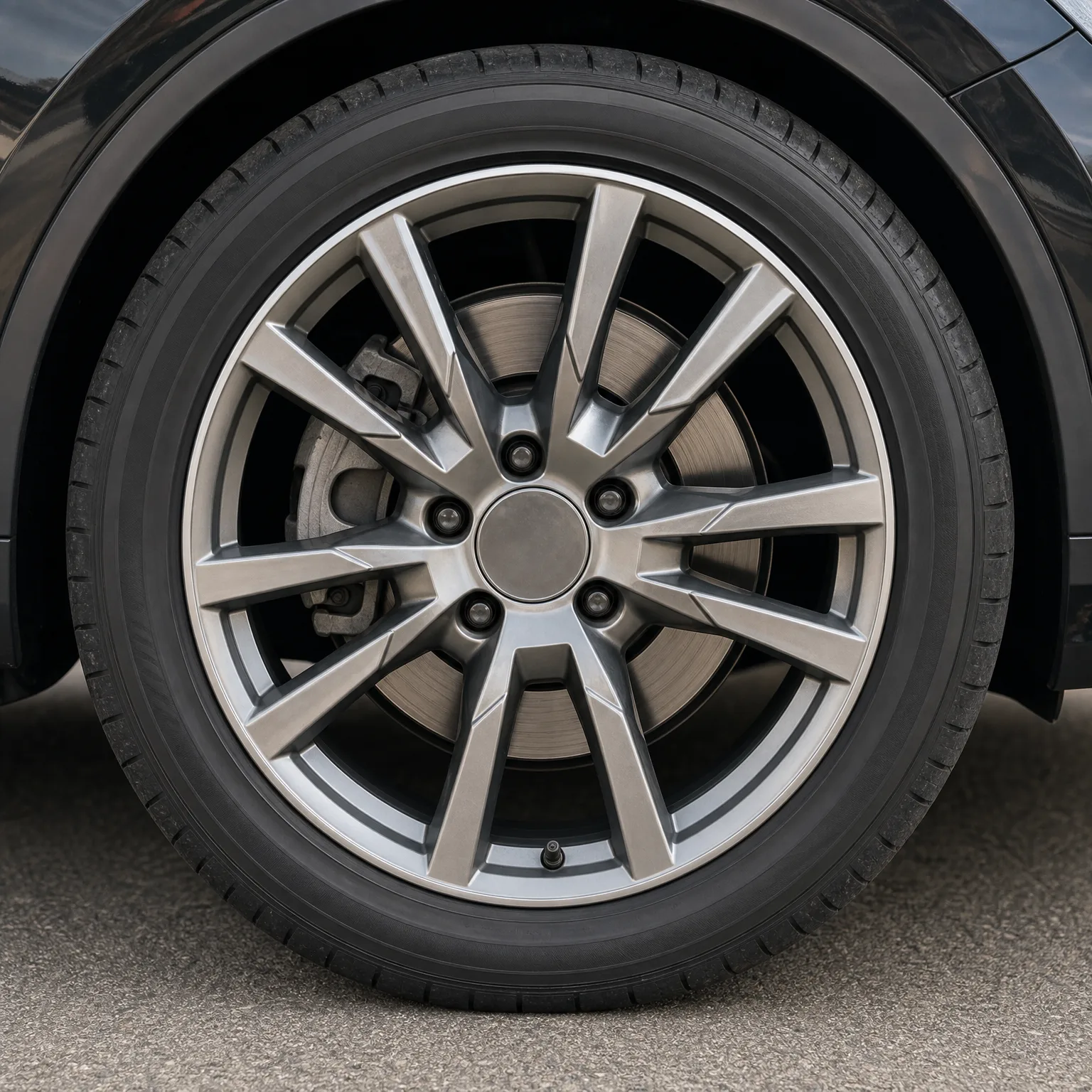
A driver named Theo worked dinner shifts for a local restaurant, using his own sedan to run orders across town. He'd had the policy for years and figured driving for work was no different than driving to the grocery store. One night another driver clipped his bumper in a parking lot while he was carrying an order. He filed a claim like normal, expecting it to go through the way it always had.
The insurer asked why he was out at that hour with a stack of delivery bags in the back seat. Once he explained he was working, they flagged the claim as business use and denied it, since his policy only covered personal driving. Theo called around and found an endorsement built for exactly this kind of part-time delivery work. It cost him a modest amount more each month, but it meant the next time something happened, the claim went through without a fight. He kept the same car, the same job, and finally had coverage that matched what he was actually doing.
Does my insurer automatically know I'm delivering for work?
No. Your insurer only finds out if you tell them, if an endorsement shows up on your policy, or if a claim reveals it, usually at the worst possible moment. Insurance companies don't track your driving patterns or check what apps are on your phone. The information comes from you, from the restaurant's insurance paperwork if there's an accident, or from a claims adjuster asking the right questions after something happens.
That silence can feel like safety, but it isn't. A policy that hasn't been told about your delivery driving can still get cancelled or nonrenewed once the insurer learns about it, even if that particular claim gets paid. The only way to know where you stand is to ask your insurer directly, by name, whether delivering for a restaurant counts as business use under your policy.
Now that you know what kind of coverage delivery driving actually needs, compare quotes built for it.

Telling your insurer you deliver food for work
If you do
Your insurer reviews your policy and either adds an endorsement, points you to a different policy, or confirms you're already covered. You pay what that costs, but every claim during a delivery gets handled like any other claim. You also know exactly where you stand before anything happens.
If you don't
Your policy keeps costing the same and nothing changes day to day. But if you're in an accident while delivering, the insurer can investigate, discover the delivery work, and deny the claim entirely. You could end up paying for damage and repairs yourself, with no coverage to fall back on.
Personal policies are priced for personal risk, not delivery risk
Car insurance pricing is built around how a car gets used. A personal policy assumes you drive to work, run errands, and take trips, all at a certain frequency and risk level. Delivering food changes that math. You're on the road more, often at night, stopping and starting constantly, and carrying precisely the kind of distracted, time-pressured driving that leads to claims. Insurers price business use differently because the risk is genuinely different, not because they're trying to catch you out.
This is why the line between personal and business use matters so much. Most personal policies exclude driving done for payment, which includes delivering food for a restaurant even if it's part-time or occasional. The exclusion isn't about the car or the driver, it's about the activity. The moment you're driving to earn money, you've stepped outside what the policy was written to cover, whether that's a few shifts a week or nearly every shift available.
Where this gets complicated is that not every insurer draws the line the same way, and not every state regulates delivery coverage the same way either. Some insurers offer an affordable endorsement specifically for occasional delivery work. Others require a full commercial or rideshare-style policy regardless of how little you drive. Whether your restaurant's own insurance offers any backup coverage while you're on a delivery also varies, so it's worth asking your employer directly what, if anything, they carry.
The cases where this works out differently usually involve how the driving is structured. If you only drive a company vehicle, your personal policy isn't involved at all. If delivery is a tiny, truly occasional favor with no payment involved, some insurers treat that differently than paid, regular work. But once money changes hands for the driving itself, assume the exclusion applies until an insurer tells you otherwise in writing.
Will my insurance rate go up if I add delivery driving to my policy?
Usually yes, though the amount depends on how often you drive and your insurer's specific pricing for delivery endorsements. The increase reflects the added miles and risk, not a penalty for asking. Check with your insurer for an actual quote rather than assuming the cost, since it varies significantly between insurers and between occasional and frequent delivery work. What changes the answer most is how much you actually deliver each week.
Does the restaurant's insurance cover me while I'm delivering their food?
Sometimes, but not reliably, so you need to ask your employer directly what coverage they carry for drivers using personal vehicles. Some restaurants carry nonowned auto liability that offers limited backup protection, while others carry nothing at all for delivery drivers using their own cars. This isn't something you can assume. Get it in writing or at least get a clear verbal answer from whoever handles the restaurant's insurance, and don't treat their coverage as a substitute for your own.
What happens to my car's warranty or resale value from delivery mileage?
Extra mileage from delivery driving can affect both, though it's a separate issue from insurance coverage. Warranties are typically mileage-based regardless of why you drove, so check your specific terms. Resale value also drops with higher mileage. Neither of these affects whether your insurance claim gets paid, but they're worth factoring into whether delivery driving makes financial sense for your particular car.