What Is the Safest Car to Buy a 16 Year Old
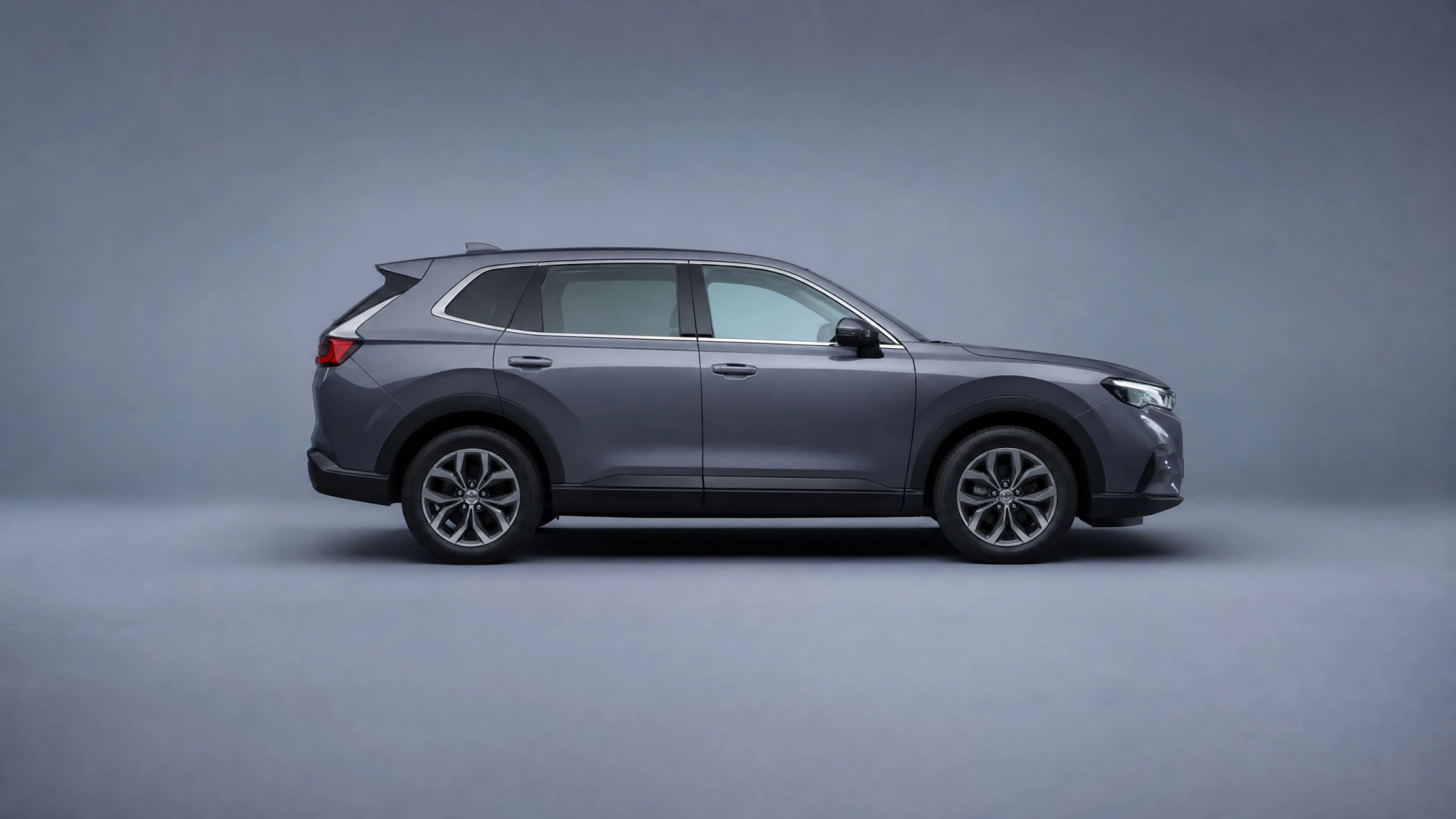
A safe car for a 16 year old is a midsize sedan or small SUV with a strong safety record and modest power.
What to look for before you look at models
- Skip the sports cars High horsepower invites speed and makes crashes worse. Look for a car with modest engine power instead of anything marketed as quick or fun to drive.
- Avoid the biggest SUVs Large, heavy vehicles are harder for new drivers to handle and can roll over more easily. A midsize SUV is safer than a full-size one.
- Check the crash test scores Don't rely on a car's reputation. Look up the actual crash test scores for the specific model and year you're considering.
- Prioritize newer safety features Automatic emergency braking and blind spot warning catch mistakes new drivers make. A slightly older car with these features beats a newer one without them.
- Don't go too small either A very small car offers less protection in a crash. A midsize sedan or small SUV balances visibility, control, and crash protection well.
The short version
The safest choice is a midsize sedan or small SUV with strong crash test scores, modest horsepower, and modern safety features like automatic braking. Avoid sports cars, oversized SUVs, and very small cars. Next, look up crash ratings for specific models you're considering before you shop for insurance.
Will a safer car actually lower the insurance cost?
Yes, generally. Insurers price a policy partly on the car itself, and a vehicle with strong safety ratings, modern driver assist features, and a history of lower claims tends to cost less to insure than one without those things. A midsize sedan with automatic braking will usually come in lower than a sports car or an oversized SUV, even for the same teen driver.
But the car is only part of the price. Where you live, the driving record on the policy, and whether the teen is added to an existing policy or covered separately all matter too, and those vary by insurer and by state. The safest move is to pick the car based on safety first, then get quotes on a few specific models before you commit, since the difference between two similar-looking cars can be larger than you'd expect.
Once you've picked a safe model, compare quotes on that exact car to see what it actually costs to insure.


Choosing between a hand-me-down SUV and a smaller sedan
A family had an older full-size SUV sitting in the driveway, originally bought for towing a camper, and the easy option was just handing the keys to their 16 year old once they got a license. But the parents looked up the crash ratings and found the SUV's size made it harder to control and more prone to rolling in a sudden swerve, which is exactly the kind of mistake a new driver makes.
Instead they looked at a midsize sedan a few years old, checked that it had automatic emergency braking and a strong crash test record, and bought that instead of keeping the SUV as the teen's car. The SUV stayed as a second family vehicle for towing and longer trips. The sedan turned out to be cheaper to insure too, since it was smaller, less powerful, and had a lower claims history than the SUV, which made the whole decision easier to stick with once the quotes came back.
The car matters as much as the driver. Choose for safety first, and lower insurance cost tends to follow.