What Three Things Should You Do After a Crash
Check for injuries, document the scene, and report the crash promptly, mentioning delivery work if that's what you were doing.
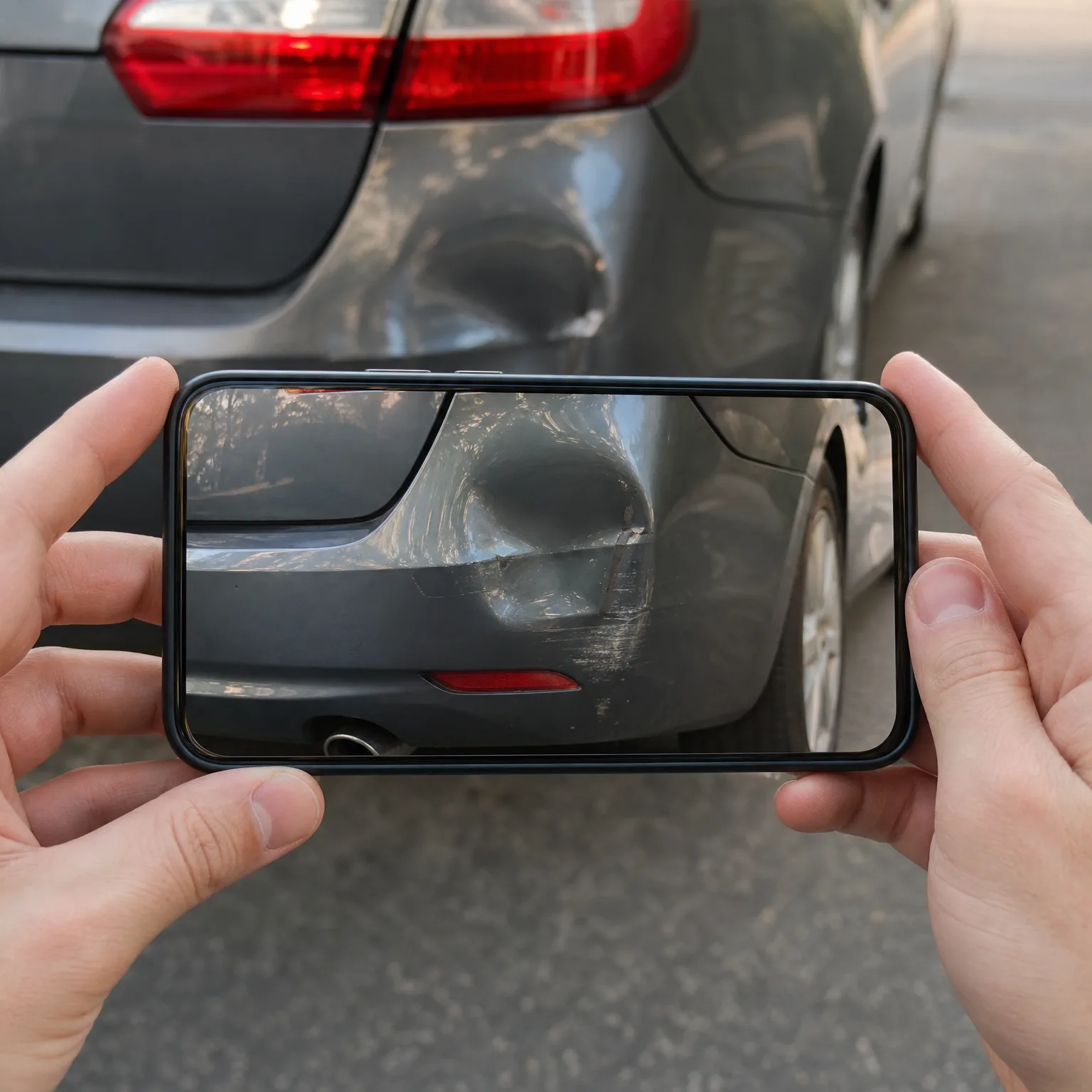
Three things to do before anything else
- Check everyone is safe Injuries matter more than damage right now. Call for medical help if anyone is hurt, move to safety if the car is drivable, and only then start documenting.
- Document the scene fully Photos and notes now save arguments later. Get the other driver's information, photos of all vehicles, and note the time and what you were doing when it happened.
- Report it to your insurer soon Delays make claims harder to process and can look suspicious. Call within a day or two even if you're unsure who's at fault or whether you'll file a claim.
- Say if you were delivering Leaving this out can get a claim denied later. Tell your insurer plainly if you were working, mid-delivery, or between drop-offs when the crash happened.
- Keep records of everything You may need these if the claim gets disputed. Save repair estimates, medical bills, messages with the insurer, and any delivery app records from that day.
A delivery driver rear-ended at a red light
You're stopped at a light with a food order in the back seat when the car behind you doesn't stop in time. Nobody's hurt, but your bumper is dented and the trunk won't close right. You get out, check on the other driver, and start taking photos of both cars and the light itself. You exchange information and also snap a picture of the delivery app screen showing you were mid-run, just in case it matters later.
That night you call your insurer to report the crash. When they ask what you were doing, you say you were delivering food through an app at the time. Because you're upfront about it, the claims adjuster already knows to check whether your policy has a business use endorsement or whether the delivery platform's insurance applies instead. It turns out your policy didn't cover delivery work, but the app's insurance picked up the claim since you were on an active delivery. If you'd hidden that detail, the claim likely would have been denied outright once the adjuster found out another way.

Whether you report you were delivering
If you do
Your insurer or the delivery platform's insurance can sort out who actually covers the claim. It might take a little longer to figure out, but you stay protected either way. Your policy stays intact because you didn't lie or omit anything that could later void it.
If you don't
If the truth comes out later, through app records, witnesses, or your own slip-up, the claim can be denied entirely. Worse, your insurer may cancel your policy for misrepresentation. You could end up paying every repair and medical cost yourself, with no coverage at all.
Now that you know what to do after a crash, compare quotes that actually cover the driving you do.

Will my insurance rates go up after this crash?
Possibly, but it depends on fault, your insurer's rules, and your state's regulations on how crashes affect pricing. A crash where you're not at fault often has less impact than one where you are, though this isn't guaranteed everywhere.
What matters most right now isn't the rate, it's making sure the claim gets paid at all. An honest, well-documented claim that raises your rate a bit is still better than a denied claim that leaves you covering everything yourself. Ask your insurer directly how this specific crash is likely to affect your policy, since they can look at your history and state rules together. Some insurers also offer forgiveness for a first crash, so it's worth asking before assuming the worst.

The real risk after a crash isn't the damage, it's staying quiet about what you were doing when it happened.