What to Say After a Car Accident
Stick to facts, exchange information, and don't say anything about fault or about who you were driving for.
Why your words right after a crash carry so much weight
An insurer builds its decision on what gets said in the first few minutes and the first phone call. Police write down what you tell them. The other driver remembers what you admitted. Your own insurer listens for whether this was personal driving or something else. Every sentence becomes evidence, even the casual ones.
Saying "I'm sorry" or "I didn't see you" sounds polite but reads as an admission of fault. Fault determines who pays, and once you've said it out loud, it's hard to take back. Stick to describing what happened physically, not whose mistake it was. Let the facts and the damage speak for themselves.
The delivery question makes this more complicated for you specifically. If you were actively on a delivery when the crash happened, that can matter to how the claim gets paid and by which policy. You don't need to volunteer this to the other driver or to police, but you do need to be truthful with your own insurer when they ask what you were doing. Hiding it rarely helps and can cost you more than the original accident.
What changes the picture is who's asking. With police and the other driver, you're giving a factual account for the record. With your insurer, you're having a different conversation, one where leaving out the delivery work can look like you misrepresented your driving from the start.
What to actually say and do at the scene
- Check for injuries first Before any conversation, make sure everyone is physically okay and call for medical help if needed. Nothing else matters until this is handled.
- Exchange information only Give your name, license, insurance and registration. Don't discuss how the accident happened or who caused it.
- Describe, don't explain If asked what happened, state only what you observed, like where the cars were and what direction they were moving. Avoid words like fault, sorry or mistake.
- Mention the delivery honestly If a police report asks about your trip purpose, answer truthfully. This detail matters later and should never be hidden or guessed about.
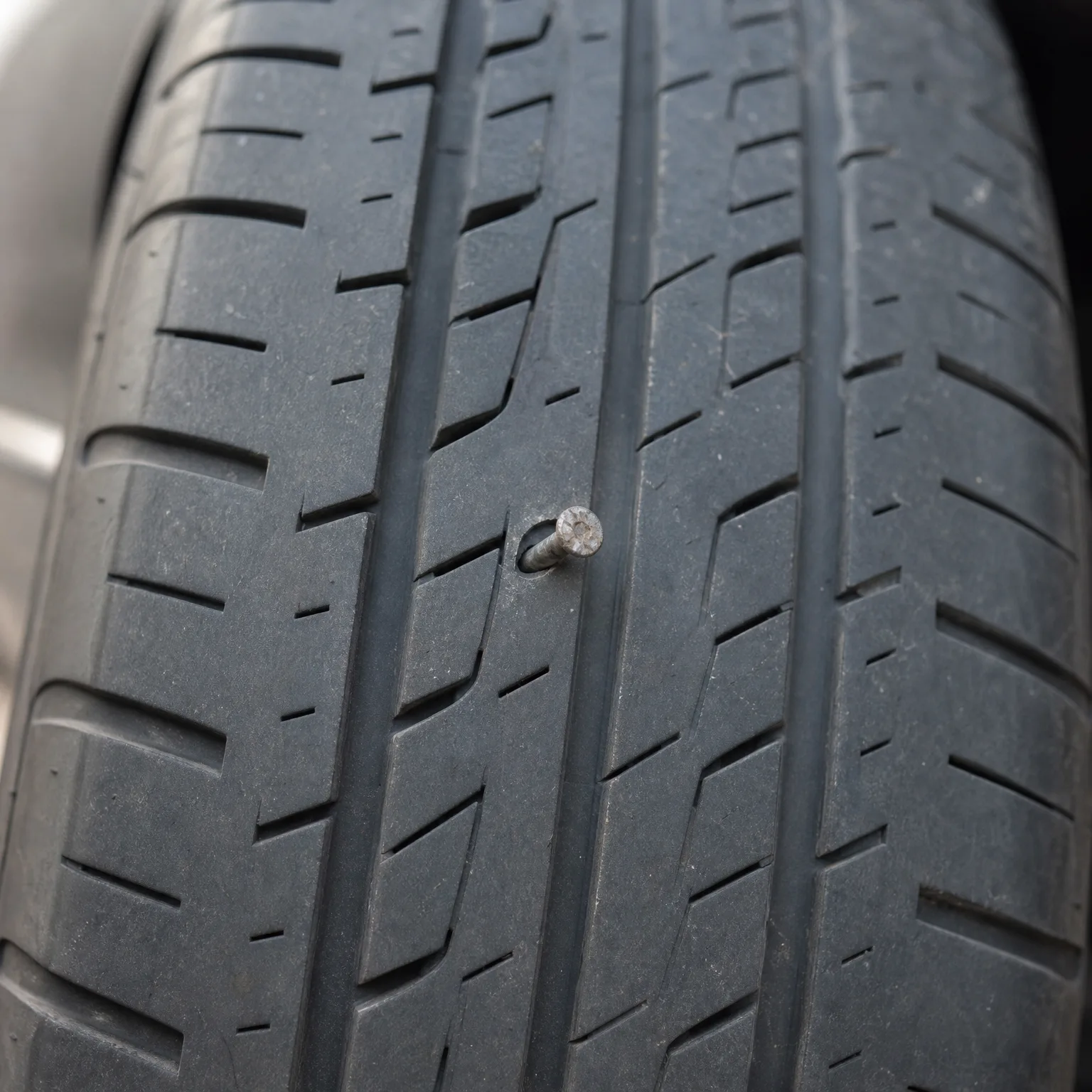
- Photograph everything you can Take pictures of both vehicles, the road, any delivery items, and your app screen if it shows you were active. This protects you more than words do.
What if I say something wrong in the moment and it's already out there?
One slip of the tongue doesn't automatically sink your claim. Insurers and investigators look at the whole picture, including the physical evidence, witness accounts, and the police report, not just one sentence you said in shock.
If you realize you said something inaccurate, correct it as soon as you can, calmly and in writing if possible. Tell your insurer directly what you meant and what actually happened. Trying to hide the slip or build a new story around it causes far more damage than the original comment ever would. Insurers are used to people being rattled right after a crash, and a prompt, honest correction is treated very differently than a second version of events that only appears once a claim looks bad.
Once you know how to protect yourself at the scene, compare quotes that actually cover the driving you do.
A rear-end crash during a delivery run
You're stopped at a light with a food order in the passenger seat when the car behind you doesn't brake in time. You check yourself for injuries, then the other driver's, and both of you are fine. You exchange insurance information and stick to describing the impact, saying only that you were stopped and then got hit from behind.
When the officer asks why you were out, you say you were making a delivery, and it goes into the report exactly as stated. Later, when your insurer calls, you tell them the same thing without hesitation. Because the facts matched from the police report to your own statement, the claim moved forward without anyone questioning your account. The driver who hit you was found responsible, and your honesty about the delivery meant there was nothing to untangle afterward.

What you say becomes the record, so treat every sentence at the scene like it's already written down.
Should I admit fault if I think the accident was partly my fault?
No, you should describe what happened and let the insurers determine fault. Fault often depends on details you can't see in the moment, like traffic laws or signal timing. Let the investigation sort it out instead of deciding it yourself at the scene.
Do I need to tell the other driver I was making a delivery?
No, that detail isn't something you owe the other driver. It matters to your insurer and possibly to the police report, but the other driver only needs your insurance and contact information to proceed with their claim.
What if the police don't come to the scene at all?
Write down everything yourself as soon as possible, including time, location, and what was said. Without an officer's report, your own notes and photos become the main record, so take them seriously and do it right away while details are fresh.